Functional temporarily unavailable



General information about Shakhtarsk
City Shakhtarsk is an important node of the Donetsk coal basin and a symbol of industrialization of the eastern region of Ukraine. Administratively, it is part of the Horlivka district of Donetsk region.
The first stationary settlements on the territory of the modern city appeared as Cossack winter quarters of the Kalmiuska palanka of the Zaporizhzhian Lowland Army. After the liquidation of the Zaporizhzhian Sich by the Russian Empire in 1775, these lands began to be distributed as property to the Cossack elders and nobility. The official date of foundation of the oldest part of the city - the Oleksievo-Orlovka settlement - is considered to ...
City Shakhtarsk is an important node of the Donetsk coal basin and a symbol of industrialization of the eastern region of Ukraine. Administratively, it is part of the Horlivka district of Donetsk region.
The first stationary settlements on the territory of the modern city appeared as Cossack winter quarters of the Kalmiuska palanka of the Zaporizhzhian Lowland Army. After the liquidation of the Zaporizhzhian Sich by the Russian Empire in 1775, these lands began to be distributed as property to the Cossack elders and nobility. The official date of foundation of the oldest part of the city - the Oleksievo-Orlovka settlement - is considered to be 1764. The settlement was named after its owner - Colonel Oleksiy Orlov. The settlement was formed mainly from peasant refugees from Right-Bank and Central Ukraine, which determined the ethnic composition of the region. In 1784, the settlement Vilkhivske (now the settlement of Olkhivchyk within the city) arose, founded by Colonel Akulov. Both settlements retained a purely agrarian character for a long time.
The transformation of the agrarian slobods into an industrial conglomerate occurred due to the discovery of powerful anthracite deposits at the end of the 19th century. In 1900, the Moscow merchant of the first guild Abram Katyk acquired the rights to develop the subsoil in the territory of modern Shakhtarsk. He founded several large mines, around which workers' settlements grew. The unification of these settlements with the historical slobods (Oleksievo-Orlovka and Vilkhivske) later formed the settlement Katyk. In 1945, the settlement Katyk received the status of a city. In 1953, as part of a campaign to typify toponyms and perpetuate the profession of a miner, the city Katyk was renamed Shakhtarsk.
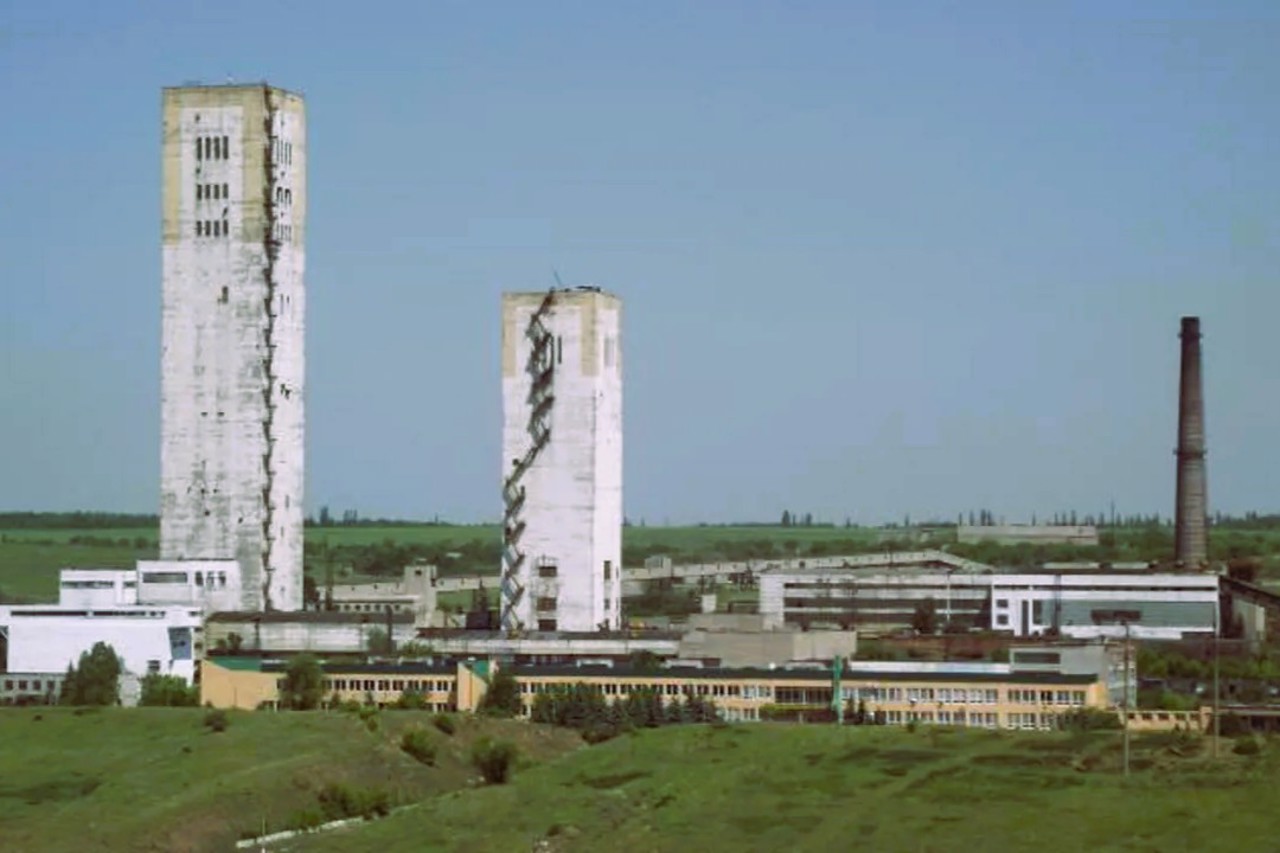
The city Shakhtarsk is a unique example of how, on the foundation of the Ukrainian Cossack settlement by private capital at the beginning of the 20th century, one of the largest centers of anthracite mining in Europe was built. After World War II, the city became a platform for large-scale construction. Large coal enterprises were built, which determined the mono-profile nature of the city's economy. The tailings heaps formed by decades of coal mining have become an integral part of the visual image of the city Shakhtarsk.
In the modern history of Ukraine, Shakhtarsk occupies a tragic but strategically important place, due to its geographical location on the H-21 highway (Donetsk - Luhansk - Starobilsk). At the beginning of the Russian military invasion of Ukraine in 2014, fierce battles were fought for Shakhtarsk. The Ukrainian armed forces tried to regain control of the city in order to cut off the enemy forces and unblock units on the border. As a result of heavy fighting in late July - early August 2014, the city came under temporary occupation by the Russian Federation.
Shakhtarsk is a city where the history of Cossack settlements is intertwined with industrial power and the modern challenges of the struggle for independence. A visit to it will become mandatory in the future to understand the transformation of the Ukrainian Donbas.
Місто Шахтарськ - важливий вузол Донецького вугільного басейну та символ індустріалізації східного регіону України. Адміністративно входить до складу Горлівського району Донецької області.
Перші стаціонарні поселення на території сучасного міста з’явилися як козацькі зимівники Кальміуської паланки Війська Запорозького Низового. Після ліквідації російськю імперією Запорозької Січі у 1775 році ці землі почали роздавати у власність козацькій старшині та дворянству. Офіційною датою заснування найдавнішої частини міста - слободи Олексієво-Орлівка - вважається 1764 рік. Слобода отримала назву від імені свого власника - полковника Олексія Ор ...
Місто Шахтарськ - важливий вузол Донецького вугільного басейну та символ індустріалізації східного регіону України. Адміністративно входить до складу Горлівського району Донецької області.
Перші стаціонарні поселення на території сучасного міста з’явилися як козацькі зимівники Кальміуської паланки Війська Запорозького Низового. Після ліквідації російськю імперією Запорозької Січі у 1775 році ці землі почали роздавати у власність козацькій старшині та дворянству. Офіційною датою заснування найдавнішої частини міста - слободи Олексієво-Орлівка - вважається 1764 рік. Слобода отримала назву від імені свого власника - полковника Олексія Орлова. Поселення формувалося переважно з селян-втікачів із правобережної та центральної України, що визначило етнічний склад регіону. У 1784 році виникло поселення Вільхівське (нині селище Ольхівчик у складі міста), засноване полковником Акуловим. Обидва поселення тривалий час зберігали суто аграрний характер.
Трансформація аграрних слобід у промисловий конгломерат відбулася завдяки відкриттю потужних пластів антрациту в кінці XIX століття. У 1900 році московський купець першої гільдії Абрам Катик придбав права на розробку надр на території сучасного Шахтарська. Він заснував декілька великих шахт, навколо яких виросли робітничі селища. Об'єднання цих селищ з історичними слободами (Олексієво-Орлівкою та Вільхівським) згодом утворило селище Катик. У 1945 році селище Катик отримало статус міста. У 1953 році в межах кампанії з типізації топонімів та увічнення професії гірника, місто Катик було перейменовано на Шахтарськ.
Місто Шахтарськ є унікальним прикладом того, як на фундаменті українського козацького розселення шляхом приватного капіталу початку XX століття було вибудовано один із найбільших центрів видобутку антрациту в Європі. Після Другої світової війни місто стало майданчиком для масштабного будівництва. Були зведені великі вугільні підприємства, що визначило монопрофільний характер економіки міста. Сформовані десятиліттями видобутку вугілля терикони стали невід'ємною частиною візуального образу міста Шахтарськ.
В новітній історії України Шахтарськ посідає трагічне, але стратегічно важливе місце, зумовлене його географічним розташуванням на трасі Н-21 (Донецьк - Луганськ - Старобільськ). На початку російського воєнного вторгнення в Україну у 2014 році за Шахтарськ точилися запеклі бої. Збройні сили України намагалися повернути контроль над містом, щоб розсікти сили противника та деблокувати підрозділи на кордоні. Внаслідок важких боїв наприкінці липня - на початку серпня 2014 року місто опинилося під тимчасовою окупацією РФ.
Шахтарськ - це місто, де історія козацьких слобід переплелася з індустріальною потужністю та сучасними викликами боротьби за незалежність. Його відвідування у майбутньому стане обов'язковим для розуміння трансформації українського Донбасу.
Сплануй своє перебування у Shakhtarsk
What to see and where to go in Shakhtarsk




Reviews Shakhtarsk
Geographical information about Shakhtarsk
| {{itemKey}} | {{itemValue}} |
|---|---|
| Region |
Donetsk |
Surrounding cities and villages
Practical tips to visit Shakhtarsk
No data available at this time
Functional temporarily unavailable
Follow us
 1.svg "Twitter")
 1.svg "Facebook")
 1.svg "Instagram")