Functional temporarily unavailable

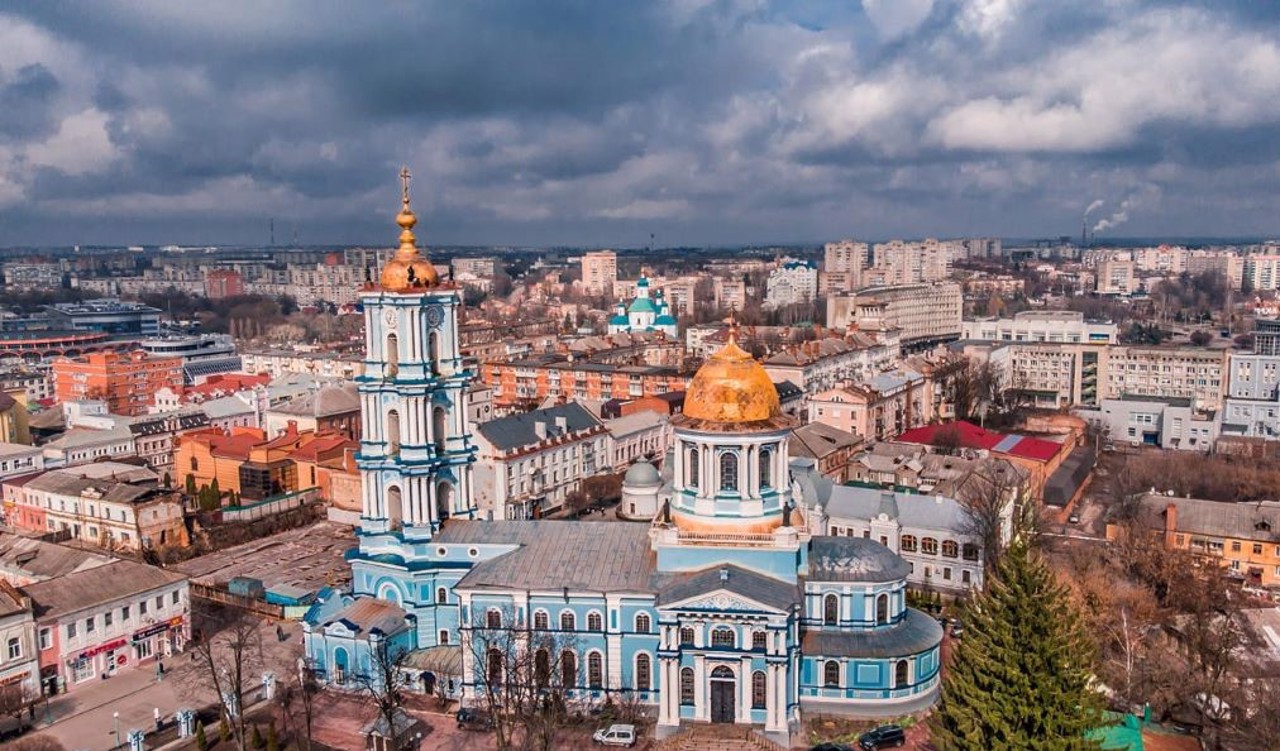
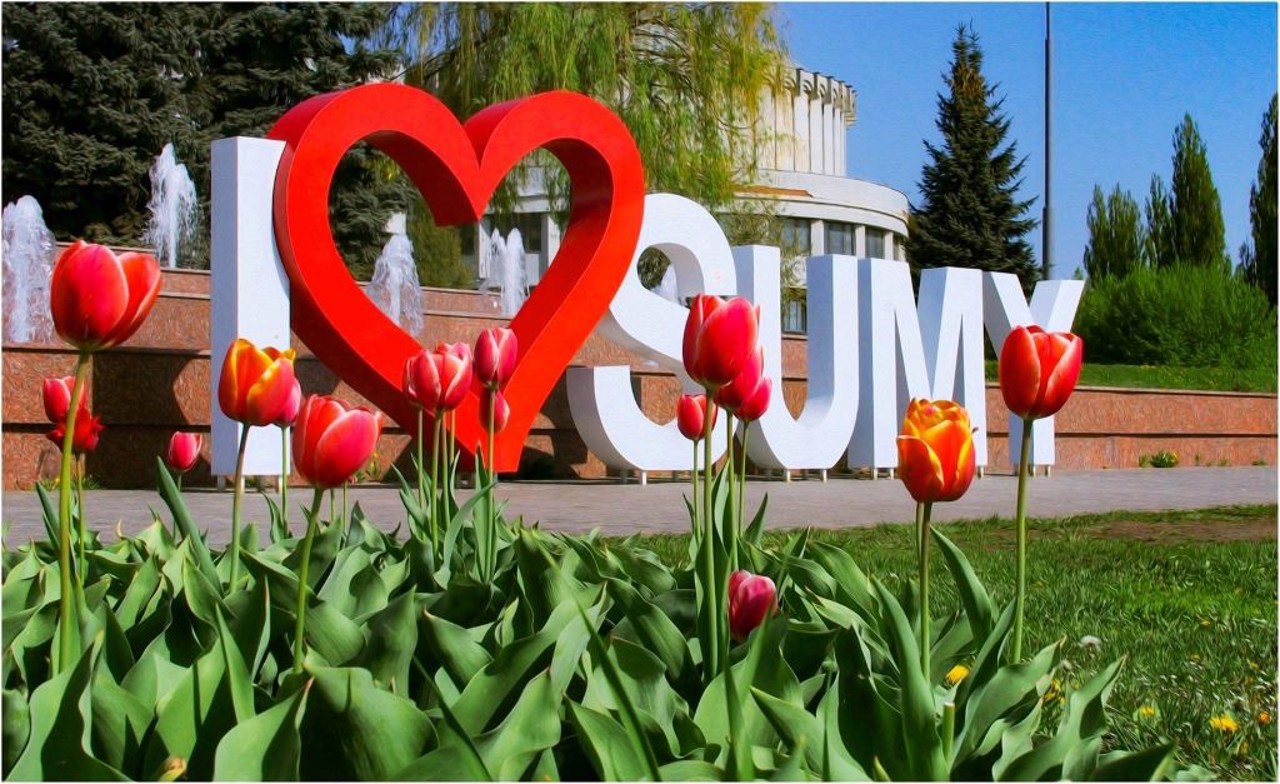
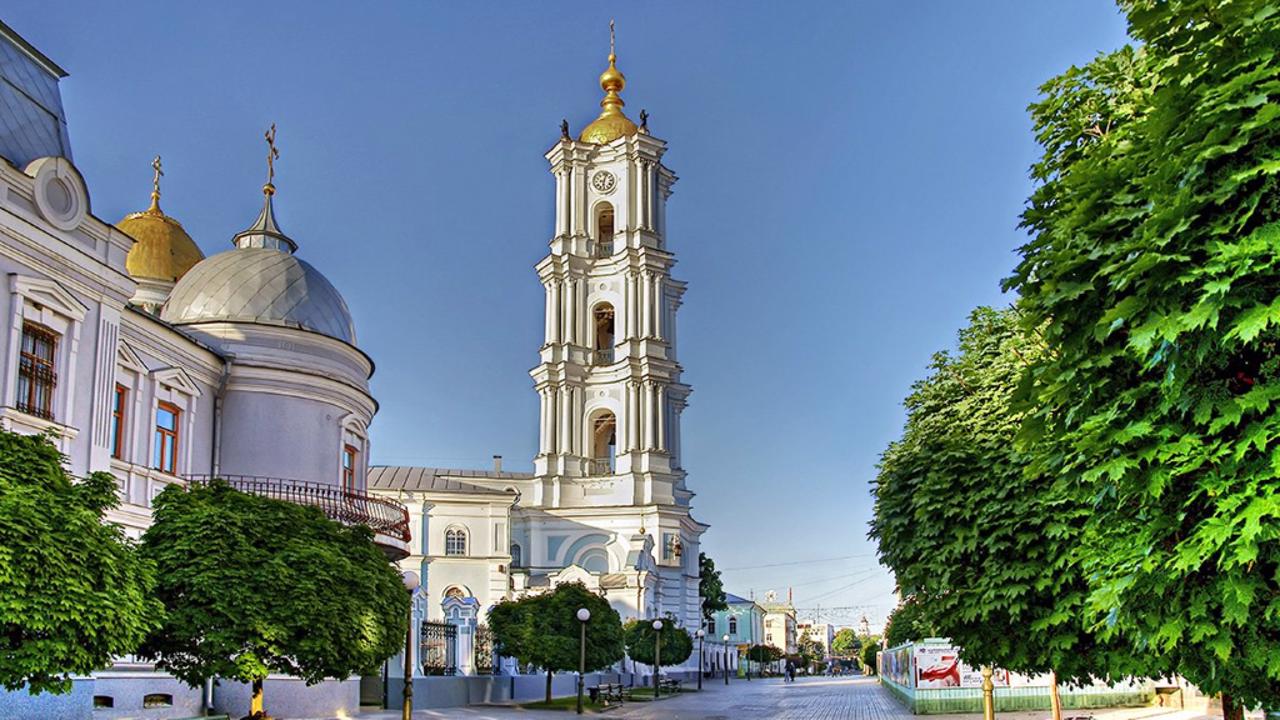
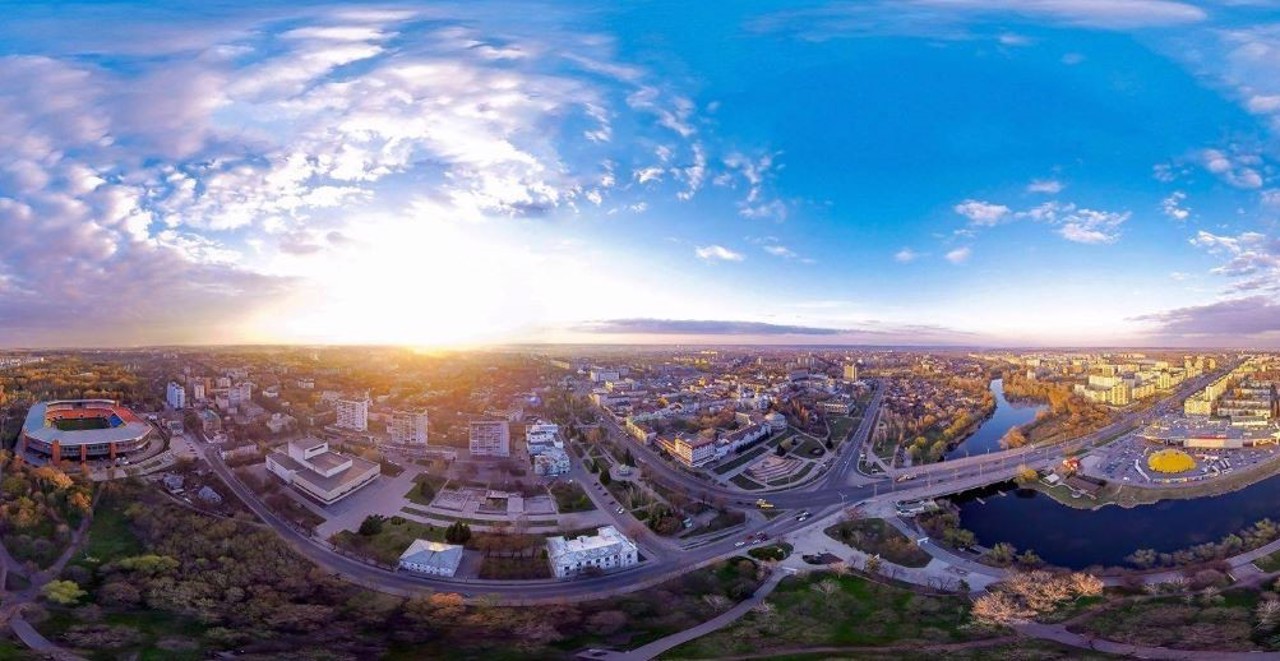
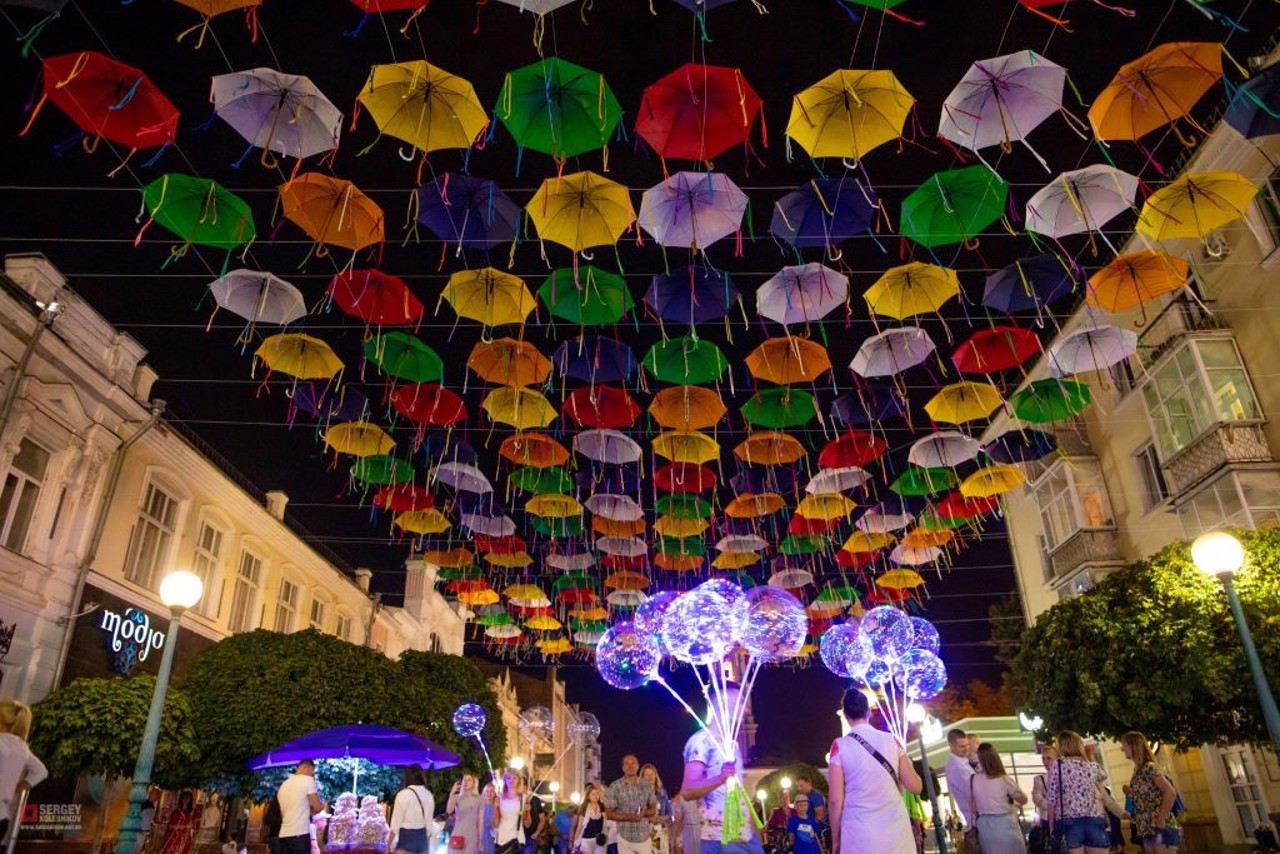


General information about Sumy
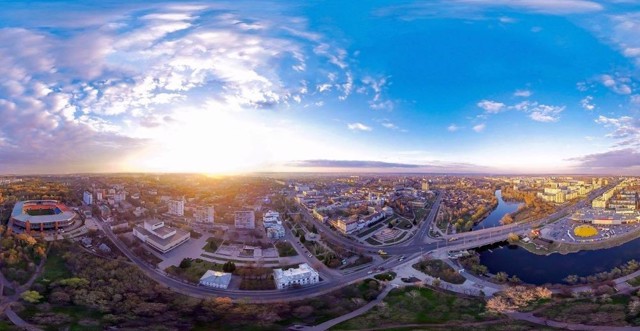
The city of Sumy on the Psel River was founded in 1653 by Cossacks from Bila Tserkva, led by Оtaman Herasym Kondratyev, who fled from the Poles.
It served as an outpost on the southern borders of Muscovy to protect against Tatar attacks. Named after the Sumka River, a tributary of the Psel River. According to legend, three hunting sums with money (depicted on the city's coat of arms) were found near the river, which is where its name comes from.
The historical core was a wooden spur fortress, one of the most powerful in Slobozhanshchyna (the territory of today's Independence Square). On the eve of the Battle of Poltava, Peter I visited here. In the middle of the 17th century, the city lost its defensive functions, the fortress was dismantled. In the 19th century, Sum ...
The city of Sumy on the Psel River was founded in 1653 by Cossacks from Bila Tserkva, led by Оtaman Herasym Kondratyev, who fled from the Poles.
It served as an outpost on the southern borders of Muscovy to protect against Tatar attacks. Named after the Sumka River, a tributary of the Psel River. According to legend, three hunting sums with money (depicted on the city's coat of arms) were found near the river, which is where its name comes from.
The historical core was a wooden spur fortress, one of the most powerful in Slobozhanshchyna (the territory of today's Independence Square). On the eve of the Battle of Poltava, Peter I visited here. In the middle of the 17th century, the city lost its defensive functions, the fortress was dismantled. In the 19th century, Sumy experienced industrial growth and the flourishing of urban development, which was facilitated by the sugar factory Ivan Kharytonenko.
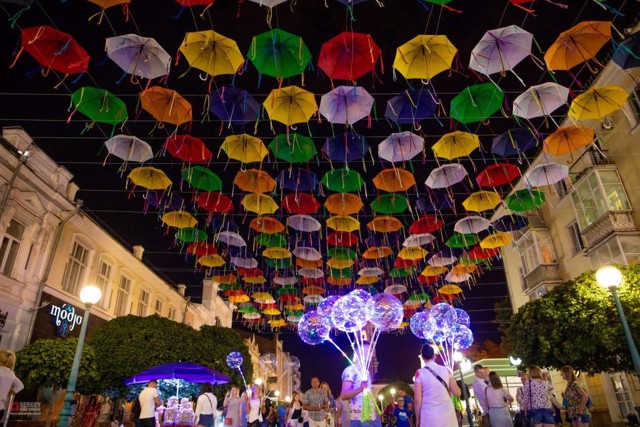
The architecture in the constructivist style reflects the Soviet period. The central pedestrian street Soborna, nicknamed the "hundred", as well as the adjacent streets have recently been restored.
Sumy was repeatedly visited by the Ukrainian philosopher and poet Hryhoriy Skovoroda, Taras Shevchenko, Volodymyr Korolenko, Petro Chaykovskyi.
The day of the liberation of Sumy from the fascists in 1943 - September 2 - is considered the day of the city of Sumy. But the main festive events take place on the first weekend of September.
Місто Суми на річці Псел засноване в 1653 році білоцерківськими козаками на чолі з отаманом Герасимом Кондратьєвим, які втекли від поляків.
Слугувало форпостом на південних кордонах Московії для захисту від нападів татар. Назване по імені річки Сумки, притоки ріки Псел. За легендою, біля річки було знайдено три мисливські суми з грошима (зображені на гербі міста), звідки походить її назва.
Історичним ядром була дерев'яна фортеця-острог, одна з найпотужніших на Слобожанщині (територія нинішньої площі Незалежності). Напередодні Полтавської битви тут бував Петро I. У середині XVII століття місто втратило оборонні функції, фортеця була розібрана. У XIX столітті Суми пережили промислове зростання та розквіт містобудування, чому посприяв цукрозаводчик Іван Харитоненко.
Р ...
Місто Суми на річці Псел засноване в 1653 році білоцерківськими козаками на чолі з отаманом Герасимом Кондратьєвим, які втекли від поляків.
Слугувало форпостом на південних кордонах Московії для захисту від нападів татар. Назване по імені річки Сумки, притоки ріки Псел. За легендою, біля річки було знайдено три мисливські суми з грошима (зображені на гербі міста), звідки походить її назва.
Історичним ядром була дерев'яна фортеця-острог, одна з найпотужніших на Слобожанщині (територія нинішньої площі Незалежності). Напередодні Полтавської битви тут бував Петро I. У середині XVII століття місто втратило оборонні функції, фортеця була розібрана. У XIX столітті Суми пережили промислове зростання та розквіт містобудування, чому посприяв цукрозаводчик Іван Харитоненко.
Радянський період відображає архітектура в стилі конструктивізму. Центральна пішохідна вулиця Соборна, прозвана "сотнею", а також прилеглі вулиці недавно відреставровані.
Суми неодноразово відвідував український філософ і поет Григорій Сковорода, тут бували Тарас Шевченко, Володимир Короленко, Петро Чайковський.
Днем міста Суми прийнято вважати день звільнення Сум від фашистів у 1943 році - 2 вересня. Але основні святкові заходи проходять в перші вихідні вересня.
Сплануй своє перебування у Sumy
What to see and where to go in Sumy

Tourist attractions and museums of Sumy
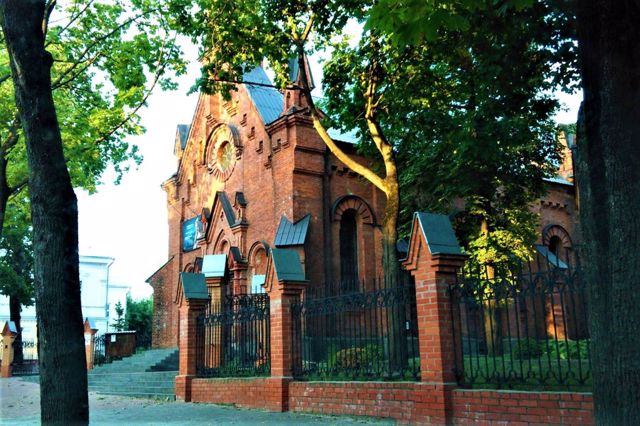


Annunciation of Blessed Virgin Mary Church
Temple , Architecture
The Church of the Annunciation of the Blessed Virgin Mary in Sumy was built according to the principle of Romanesque basilica churches and Gothic churches.
A small red brick building with a high gable roof faces the street. The end itself is decorated with a central portal and a round rose window above it. The pointed arch on the high pediment is supported by miniature angular pointed turrets. A clear rhythm of arrowed windows and pilasters is visible on the side facades.
In 1945-1953, the building housed a local history museum, in 1953-1972 - the sports hall of the pedagogical institute, in 1972-1994 - the school sports hall. In 1994, the church was returned to the Catholics.
 Troyitska Street, 6
Add to favorites
Add to route
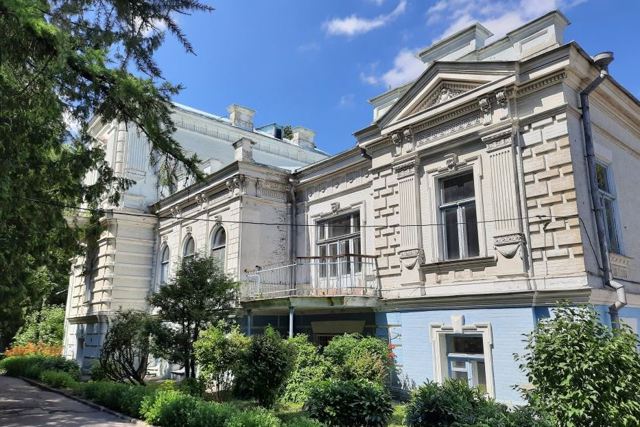
Asmolov Manor (Arboretum)
Palace / manor , Architecture , Park / garden
Park named after Ivan Asmolov is a monument of garden and park art.
The park with an area of about 3 hectares is located across the street from the Holy Trinity Cathedral in Sumy. In the middle of the 19th century, Ivan Asmolov, a merchant of the 2nd guild, bought a block of land on Troyitska Street to build his residence. A park was laid out around the house, built according to the latest architectural fashion. Asmolov, a passionate traveler and breeder, was brought exotic plants from all over the world, which went well with the local ones.
Currently, about 100 rare species of coniferous and deciduous trees, about 30 varieties of lilac grow in the park. The Sumy regional specialized dispensary for radiation protection of the population is located on the territory of the park. Asmolov's manor house is one of its buildings.
Troyitska square, 14
Add to favorites
Add to route
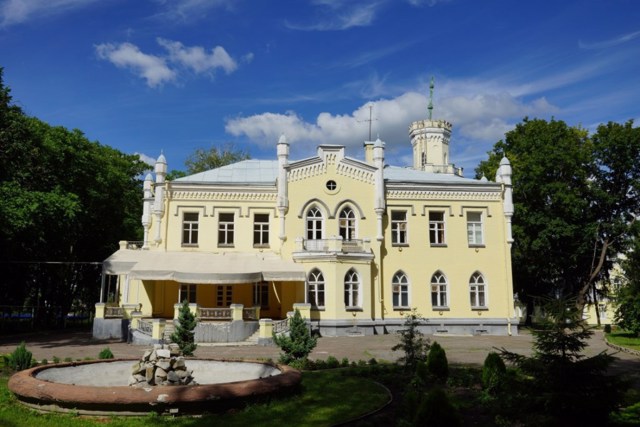
Countess Shterych Palace
Palace / manor , Architecture
A romantic palace with a watchtower and pointed windows decorates the former estate of Countess Paraskeva Shterych (Shterychova), born Donets-Zakharzhevska.
The Basy estate is located on the southern outskirts of Sumy (Zarechny district), on the banks of the Psel River. Countess Shterych inherited the estate in Basy from her father Mykhaylo Donets-Zakharzhevsky at the end of the 18th century. For the construction of the palace, she invited the famous Slobojan architect Oleksandr Palytsyn, who developed a project of an unusual in these parts asymmetrical building in the pseudo-Gothic style. The home church of the Ascension was provided for in the palace.
After the death of the countess, the estate passed into the possession of her brother Andriy Donets-Zakharzhevsky, then to his daughter, who sold it to the widow Hamaliy. In the 1890s, the palace was reconstructed in the English Neo-Gothic style according to the project of Karl Sholts. The last owners were Borys Zolotnytskyi and Samuyil Shteyner.
Currently, the sanatorium-prophylaxis of the Sumy State University is located on the territory of the Paraskeva Shterych manor.
Sanatorna Street, 1
Add to favorites
Add to route
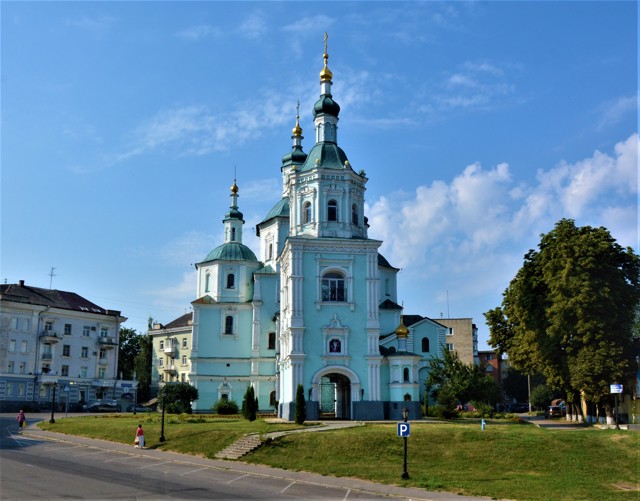
Holy Resurrection Cathedral
Temple , Architecture
The Holy Resurrection Cathedral is the main Orthodox church of Sumy, the oldest stone building in the city, a wonderful example of Ukrainian Baroque.
The cathedral was built at the turn of the 17th and 18th centuries at the expense of the city's founder Herasym Kondratyev and his son Andriy Kondratyev. According to legend, Kondratyev's sister Mariya, the leader of the band of robbers, was buried in the wall of the temple during its construction.
The architecture of the two-story stone cathedral repeats the traditional forms of Ukrainian wooden temple architecture - it is similar to three-log Cossack churches. Judging by the thickness of the walls (up to 1.5 meters), the characteristic shape of the loophole windows and the location on the line of the former. city fortifications, the Resurrection Cathedral was part of the defense system of Sumy. An underground passage led to the river, which is now filled in.
In Soviet times, the department of decorative and applied arts of the art museum was located here. After 1991, the Resurrection Church was returned to the faithful, and now it is the cathedral of the Sumy Diocese of the Orthodox Church of Ukraine.
Voskresenska Street, 19
Add to favorites
Add to route
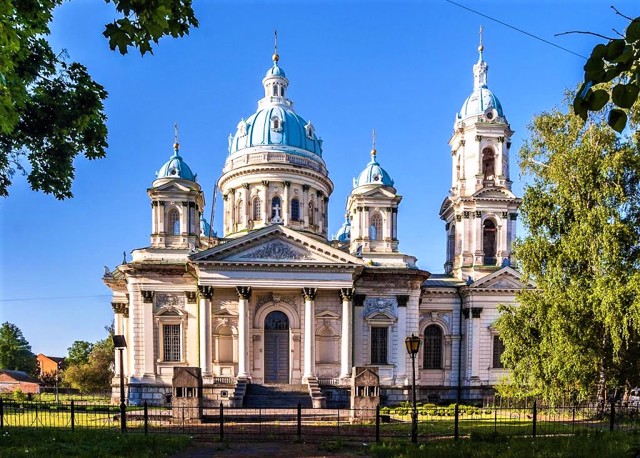
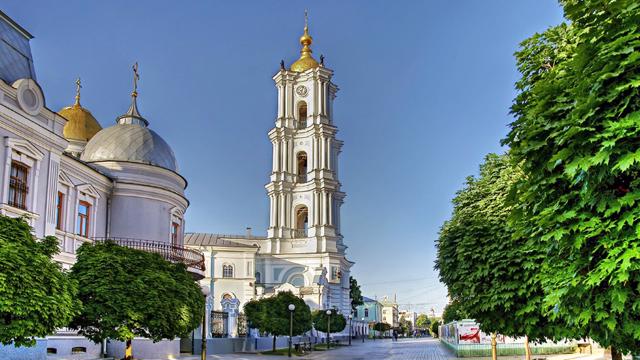
Holy Trinity Cathedral
Temple , Architecture
The Holy Trinity Cathedral in Sumy is one of the most beautiful churches in the city. It was built in 1901-1914 in the style of classicism with baroque elements according to the project of the architect Karl Sholts at the expense of the industrialist and philanthropist Pavlo Kharytonenko.
The interiors of the Holy Trinity Cathedral were decorated by the artist Mykhaylo Nesterov (the marble iconostasis has not been preserved). The project of the mosaic floor and the church fence was executed by the famous architect Oleksiy Shchusev. artist Kuzma Petrov-Vodkin worked on the Trinity stained glass window.
Until recently, the Holy Trinity Cathedral was used as a house of organ music. In 1996, it was returned to the believers, now it belongs to the UOC of the Moscow Patriarchate.
Troyitska Street, 24A
Add to favorites
Add to route

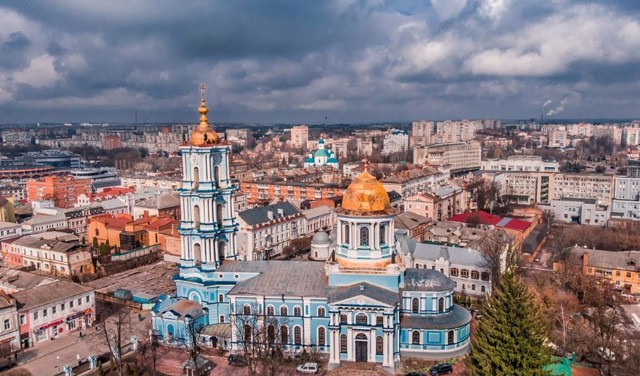
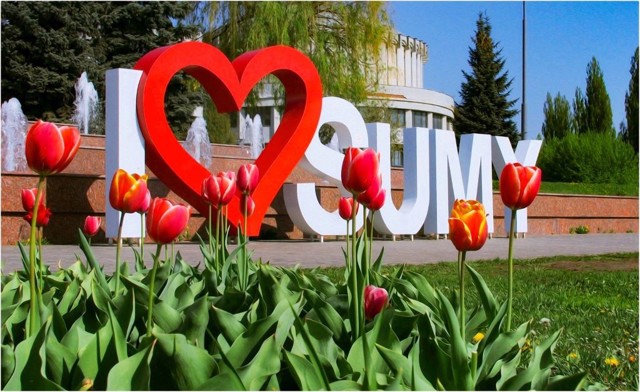
Sumy on photo and video
Sumy in news and blogs
 12/09/2025
Reviews Sumy
Geographical information about Sumy
| {{itemKey}} | {{itemValue}} |
|---|---|
| Region |
Sumy |
Surrounding cities and villages
Practical tips to visit Sumy
No data available at this time
Functional temporarily unavailable
Follow us
 1.svg "Twitter")
 1.svg "Facebook")
 1.svg "Instagram")