Functional temporarily unavailable

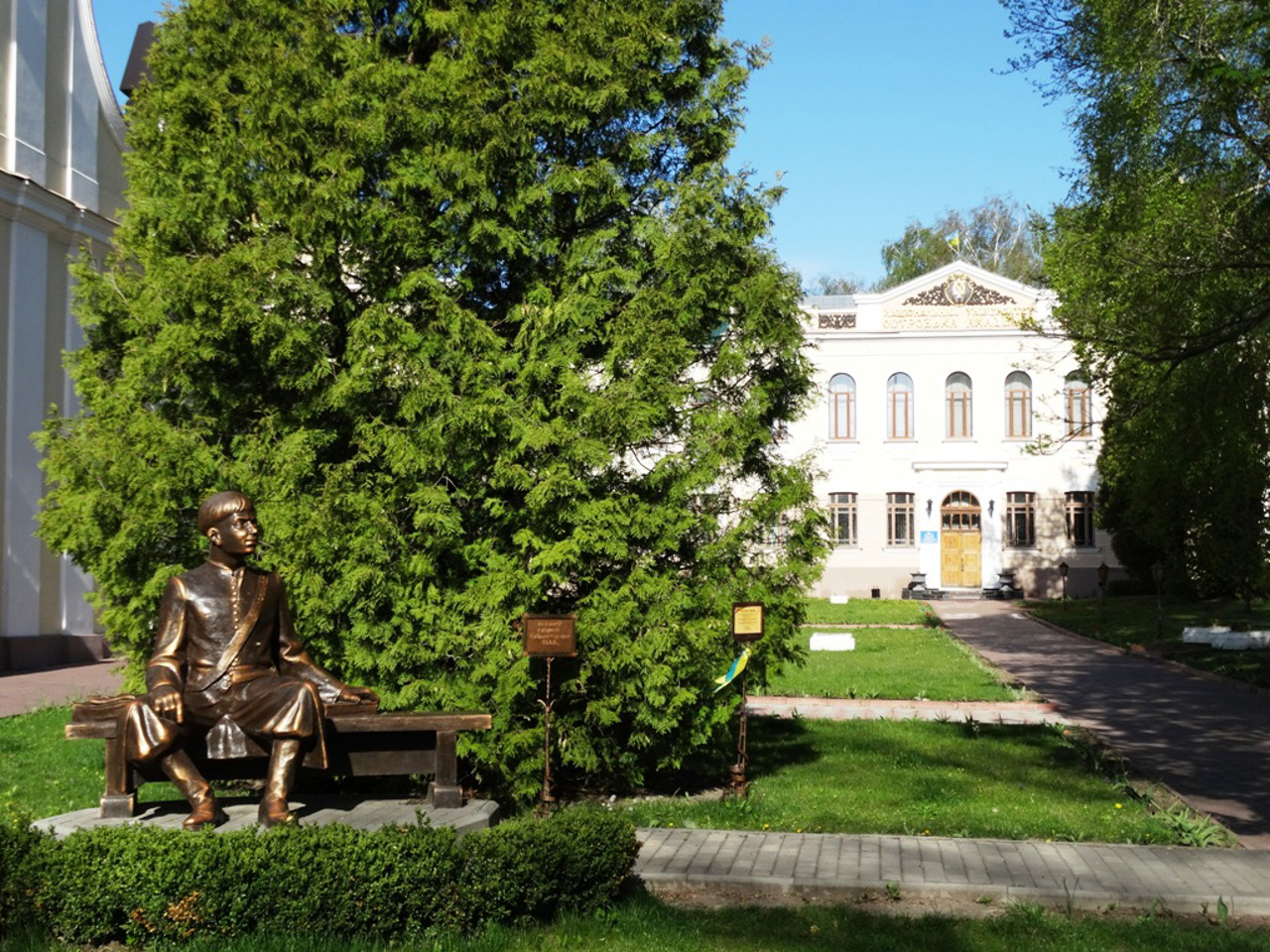


General information about Ostroh
Ostroh is a city on the Viliya River, some distance from the main highways.
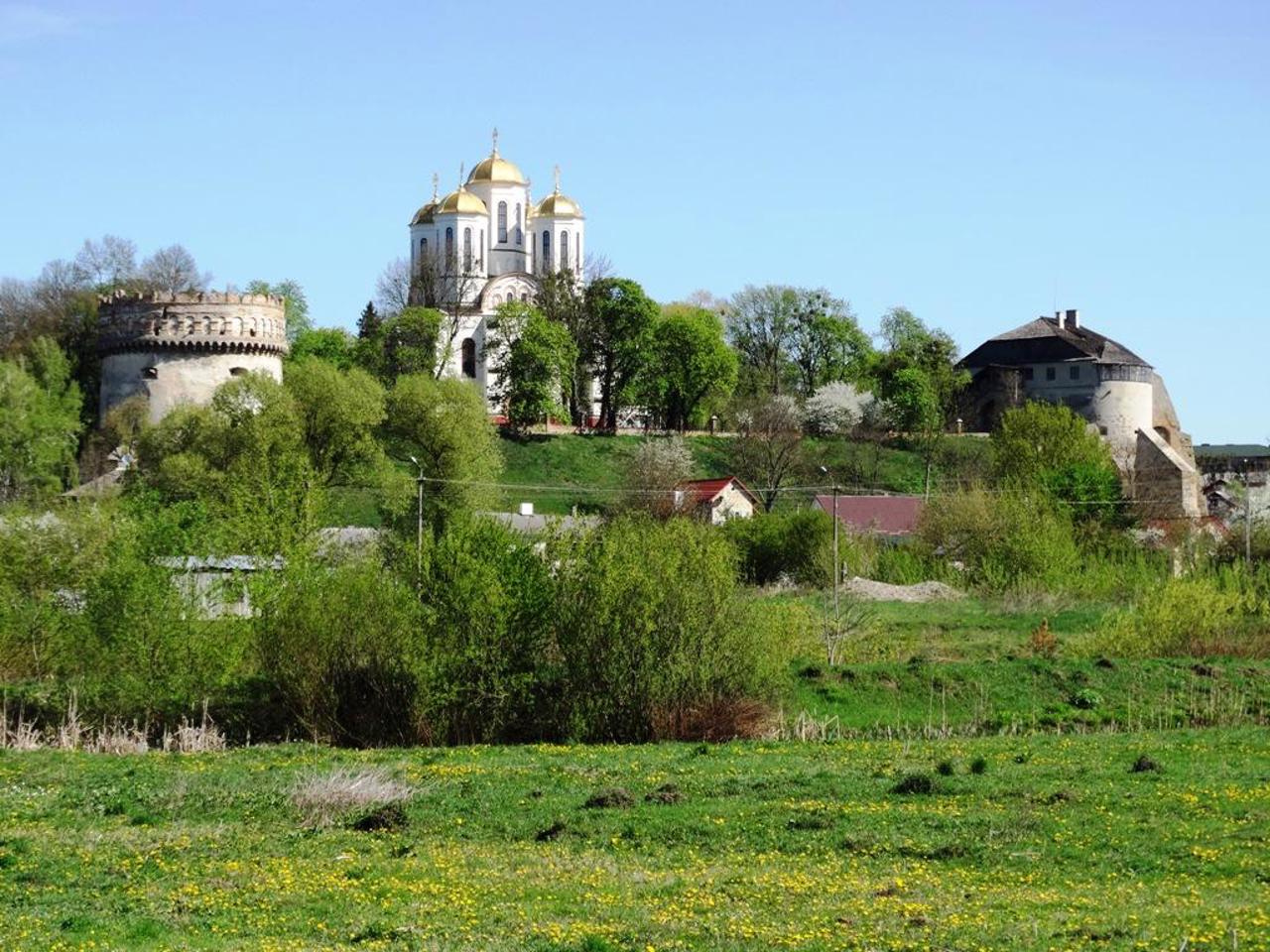
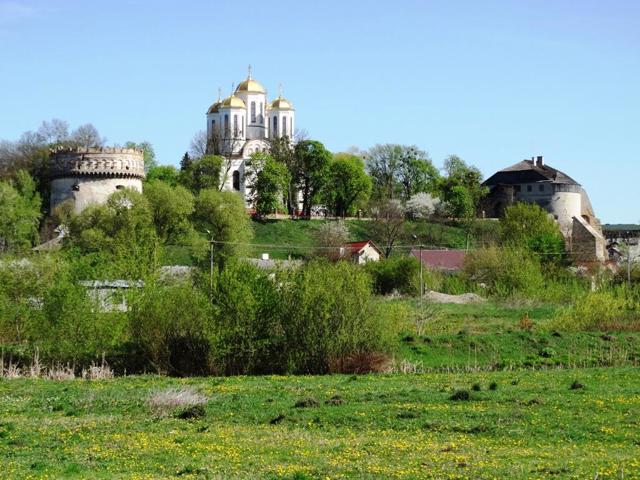
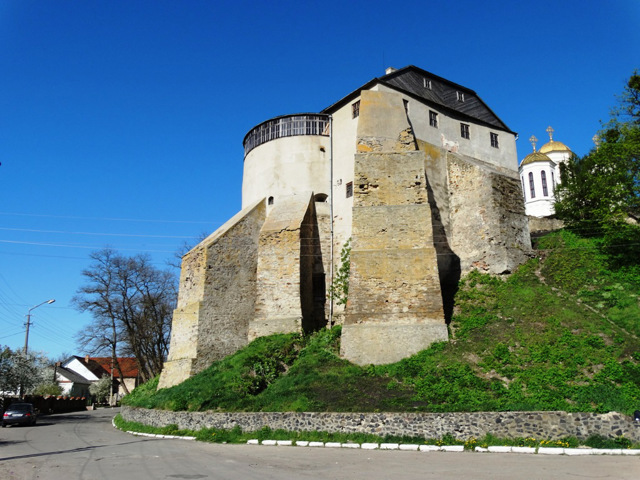
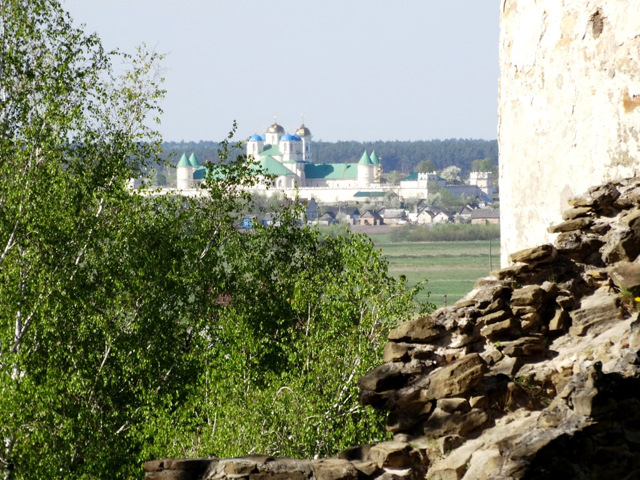
One of the oldest cities of Ukraine - the first mention - in the year 1100 in the Ipatiyiv Chronicle. From the 14th century, it was the residence of the Ostoskyi princes. The princely castle (XVI century) is a pearl of Ancient Rus defensive architecture. The complex includes the Old and New (Round) towers, as well as the Epiphany Church, the silhouette of which was the coat of arms of the city. The monastery in Mezhyrich, founded at the same time as the castle, is clearly visible from the ramparts.
From the city fortifications of Ostroh from the 15th century, the tower of the Lutsk Gate (the printing museum is located here), the Tatar gate tower has been preserved. In 1576, the first East Slavic Ostr ...
Ostroh is a city on the Viliya River, some distance from the main highways.
One of the oldest cities of Ukraine - the first mention - in the year 1100 in the Ipatiyiv Chronicle. From the 14th century, it was the residence of the Ostoskyi princes. The princely castle (XVI century) is a pearl of Ancient Rus defensive architecture. The complex includes the Old and New (Round) towers, as well as the Epiphany Church, the silhouette of which was the coat of arms of the city. The monastery in Mezhyrich, founded at the same time as the castle, is clearly visible from the ramparts.
From the city fortifications of Ostroh from the 15th century, the tower of the Lutsk Gate (the printing museum is located here), the Tatar gate tower has been preserved. In 1576, the first East Slavic Ostroh Academy (now a university) was founded. The first printer Ivan Fedoriv opened the first printing house here in 1580, where the famous Ostroh Bible was published.
Other attractions: Church of the Assumption (XVI century), Capuchin Monastery Church (1778), synagogue ruins (XVII century), numismatic museum.
Острог - місто над річкою Вілія, в деякому віддаленні від основних автомагістралей.
Одне з найдавніших міст України - перша згадка - в 1100 році в Іпатіївському літописі. З XIV століття був резиденцією князів Острозьких. Княжий замок (XVI сторіччя) - перлина давньоруського оборонного зодчества. В комплекс входять Сторожова та Нова (Кругла) башти, а також Богоявленська церква, силует якої був гербом міста. З валів добре видно монастир в Межирічі, заснований одночасно з замком.
З міських укріплень Острога з XV століття збереглася вежа Луцької брами (тут розміщений музей друкарства), Татарська надбрамна вежа. В 1576 році заснована перша східнослов'янська Острозька академія (зараз університет). Першодрукар Іван Федоров в 1580 році відкрив тут першу друкарню, де була видана з ...
Острог - місто над річкою Вілія, в деякому віддаленні від основних автомагістралей.
Одне з найдавніших міст України - перша згадка - в 1100 році в Іпатіївському літописі. З XIV століття був резиденцією князів Острозьких. Княжий замок (XVI сторіччя) - перлина давньоруського оборонного зодчества. В комплекс входять Сторожова та Нова (Кругла) башти, а також Богоявленська церква, силует якої був гербом міста. З валів добре видно монастир в Межирічі, заснований одночасно з замком.
З міських укріплень Острога з XV століття збереглася вежа Луцької брами (тут розміщений музей друкарства), Татарська надбрамна вежа. В 1576 році заснована перша східнослов'янська Острозька академія (зараз університет). Першодрукар Іван Федоров в 1580 році відкрив тут першу друкарню, де була видана знаменита Острозька Біблія.
Інші пам'ятки: Успенський костел (XVI століття), Костел монастиря капуцинів (1778 рік), руїни синагоги (XVII століття), нумізматичний музей.
Сплануй своє перебування у Ostroh
What to see and where to go in Ostroh

Tourist attractions and museums of Ostroh
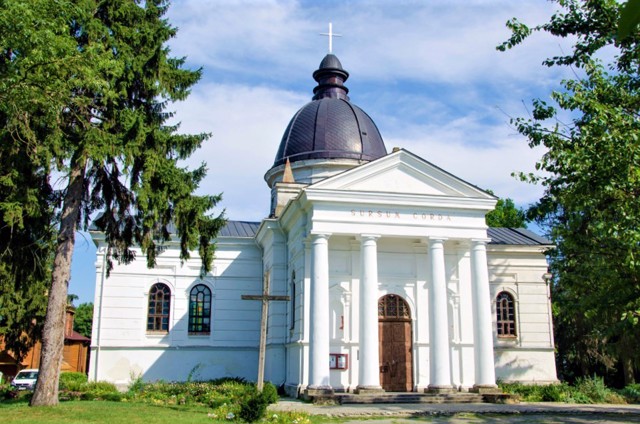


Assumption of Blessed Virgin Mary Church
Temple , Architecture
The Roman Catholic Church of the Assumption of the Blessed Virgin Mary arose in Ostroh as a result of the development of the Orthodox Church, founded in the 15th century by Prince Fedir Ostrozky.
In 1442, the church was transformed into the church of the Dominican monastery. In those days, it was the main Catholic church in Ostroh, which had a large parish. In the 18th and 19th centuries, the church was repeatedly rebuilt and decorated with magnificent baroque altars.
In 1897, after a big fire, the church was rebuilt again at the expense of Roman Sangushko, this time in the classicist style with the construction of a bathhouse.
After the deportation of Poles by the Soviet authorities, the Church of the Assumption of the Virgin Mary was emptied and closed; services were resumed recently.
 Knyaziv Ostrozkykh Street, 4A
Add to favorites
Add to route
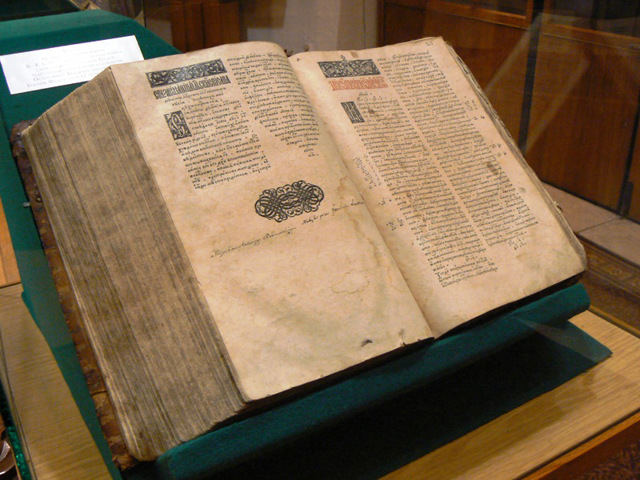
Book and Printing Museum (Lutsk Tower)
Museum / gallery
The Lutsk Tower in Ostroh was a key defensive element of the lower city, also serving as the entrance gate to Lutsk. This is one of the two surviving towers of the outer city fortifications.
Currently, the room is adapted for the exposition of the Book and Printing Museum (in 1580 Ivan Fedorov created a printing house in Ostroh, which published the first "Reading Book" and the first complete Slavic Ostroh Bible). There are also temporary exhibitions.
Vyacheslava Chornovola Street, 3A
Add to favorites
Add to route
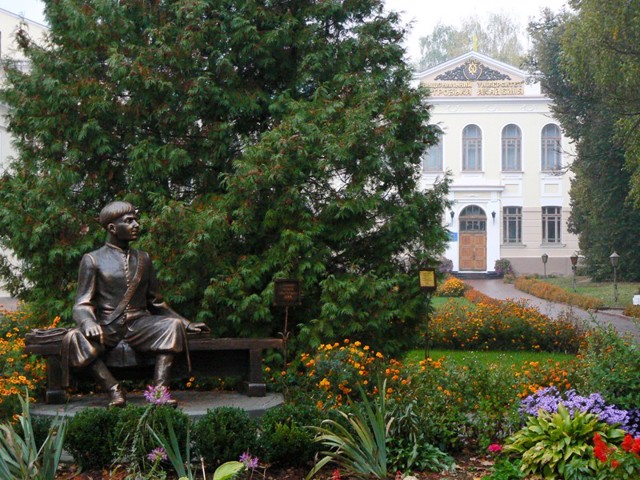
Ostroh Academy History Museum
Architecture , Museum / gallery
Ostroh Slavic-Greek-Latin Academy is the first higher educational institution in Ukraine and Eastern Europe.
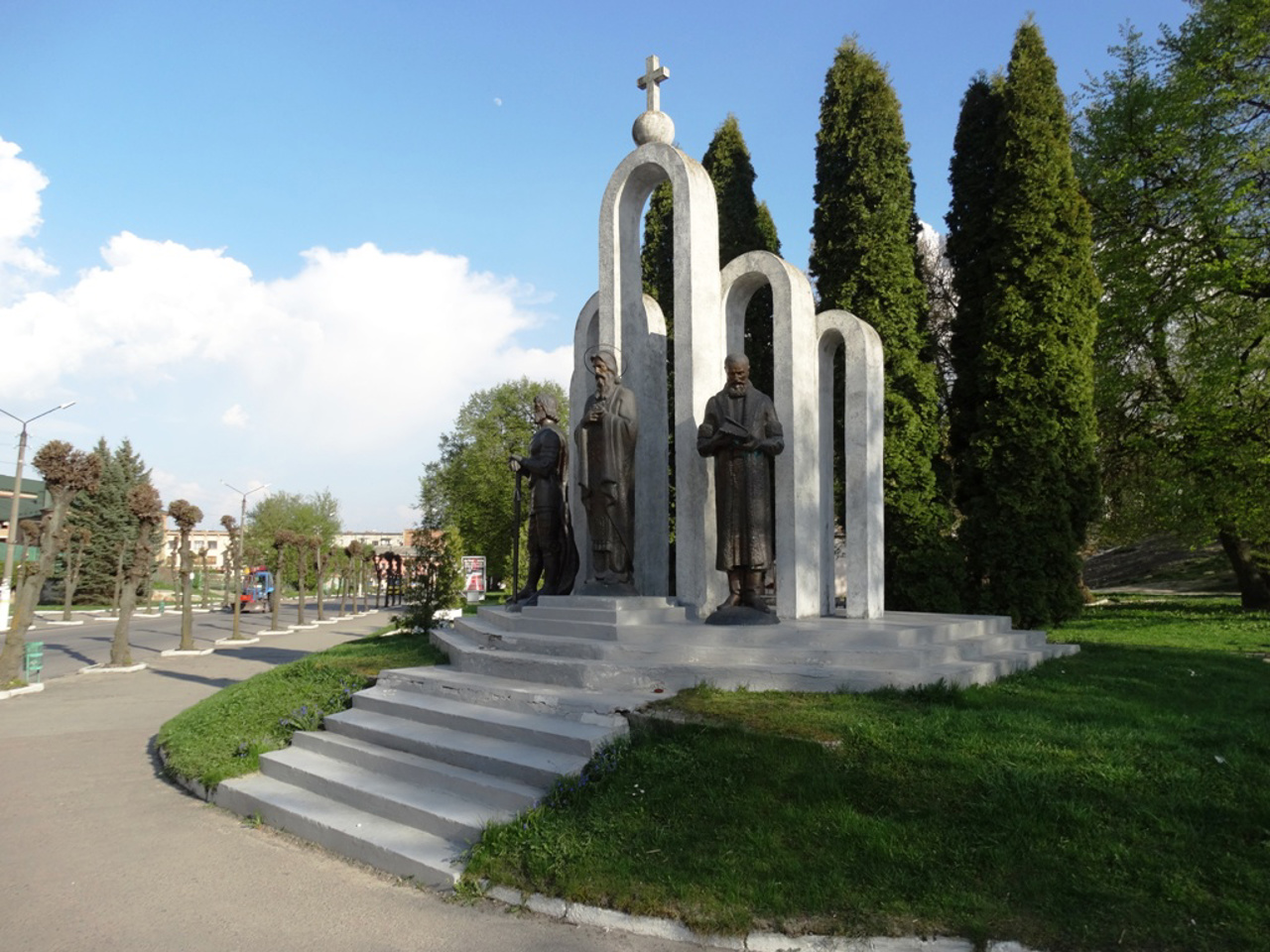
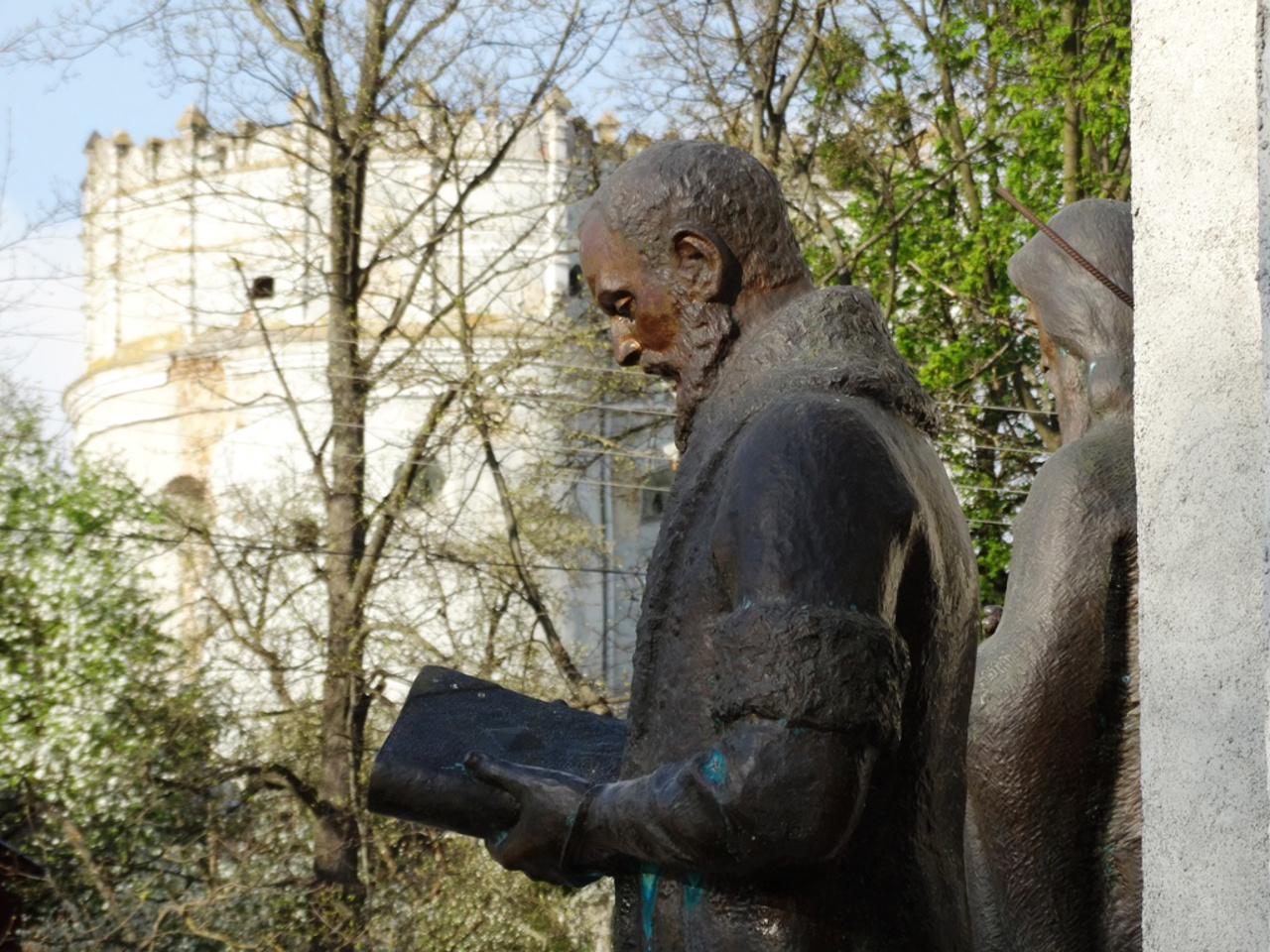
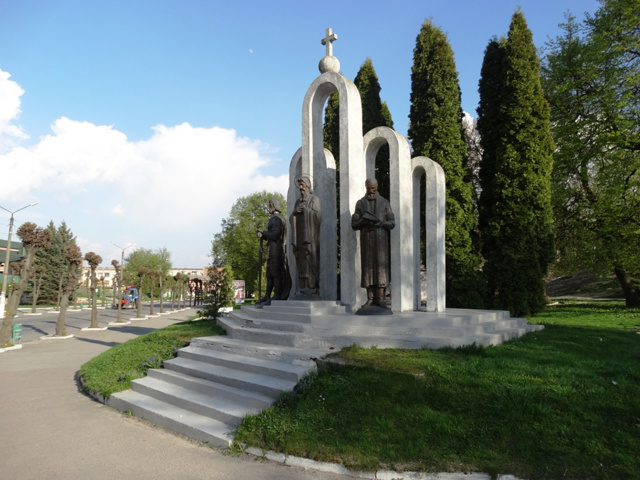
It was founded in 1576 by Prince Vasyl-Kostyantyn Ostrozky and Princess Halshka Ostrozka (a memorial sign has been erected in Shevchenko Park next to the castle where the academy was originally located). The first printer Ivan Fedorov opened a printing house there in 1580, where the first "Bukvar" and the famous "Ostroh Bible" were published.
The first rector of the academy was Herasym Smotrytsky. Among the graduates are Hetman Petro Sahaydachny, the Nalyvayko brothers and others.
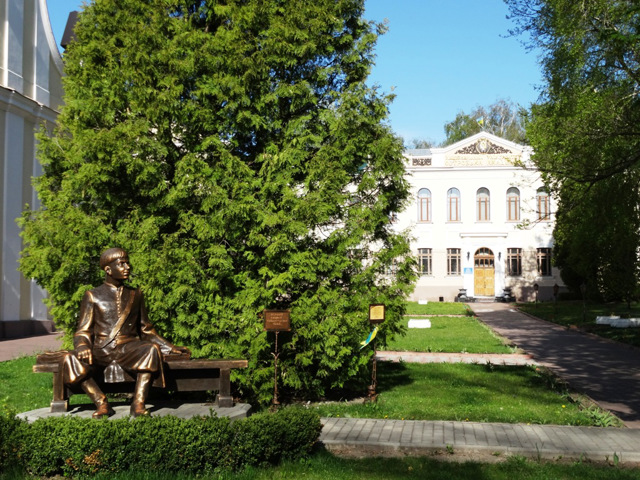
In 1624, after the founding of the Jesuit College in Ostroh, funding for the academy ceased, and in 1636 it was disbanded. Revived in 1994 as a state university. Today it occupies the premises of the former Capuchin monastery with the Trinity Church (1778, architects Paolo Fontana).
Simultaneously with the revival of the educational institution, the Center for the Study of the Heritage of the Ostroh Academy was established and the collection of materials for the creation of an exposition began, which was the beginning of the creation of the Museum of the History of the Ostroh Academy. Currently, the museum complex includes 6 exposition sections.
The iconographic collection of the museum is located in the restored university church. The collection is based on samples of Ukrainian and European iconography of the 18th-19th centuries, as well as works by the famous modern painter Yuri Nikitin and graduates of the National Academy of Fine Arts and Architecture. The icons, being exhibits of the academy museum, are also part of the interior of the temple.
During 1998-1999, the dungeons located under the temple and used as crypts (burial places) during the period of the monastery's operation were cleared. The interior of the crypts was recreated, the premises were museumified, and the dungeons became part of the museum complex.
In 2000, an exhibition of the history of the premises in which the modern Ostroh Academy operates was formed in the old monastery building (the former building of cells of the 18th century). The central exhibit of this hall was the discovered and restored monastery well.
During 2005-2014, an exhibition of old prints and rare books was formed in the museum. Since 2014, the collection has been located in the student and teaching church. It presents publications of the largest Ukrainian printing houses of the 16th-18th centuries (Lviv, Kyiv, Pochaiv), as well as rare books of the 19th - early 20th centuries.
The museum's art collection has been formed since 1997. These are mainly paintings by modern Ukrainian artists, as well as sculptures, artistic textiles and glass. Most of the paintings are presented in thematic collections and are exhibited in the corridors of the central building of the National University "Ostroh Academy".
Since 2009, the most dynamic exhibition unit of the museum has been operating – the underground art gallery, located in the basement of the former 18th-century Capuchin monastery.
A separate exhibition unit of the museum is the private ethnographic collection and a collection of rare books of the famous Ukrainian scientist, academician Mykola Zhulynsky.
Seminarska Street, 2
Add to favorites
Add to route
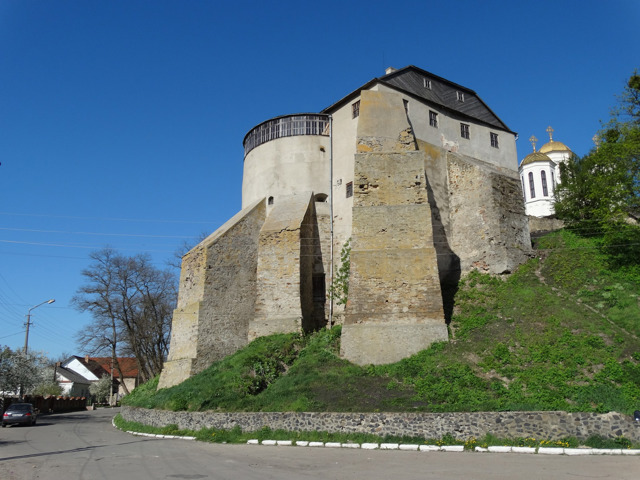
Ostroh Castle
Castle / fortress , Museum / gallery
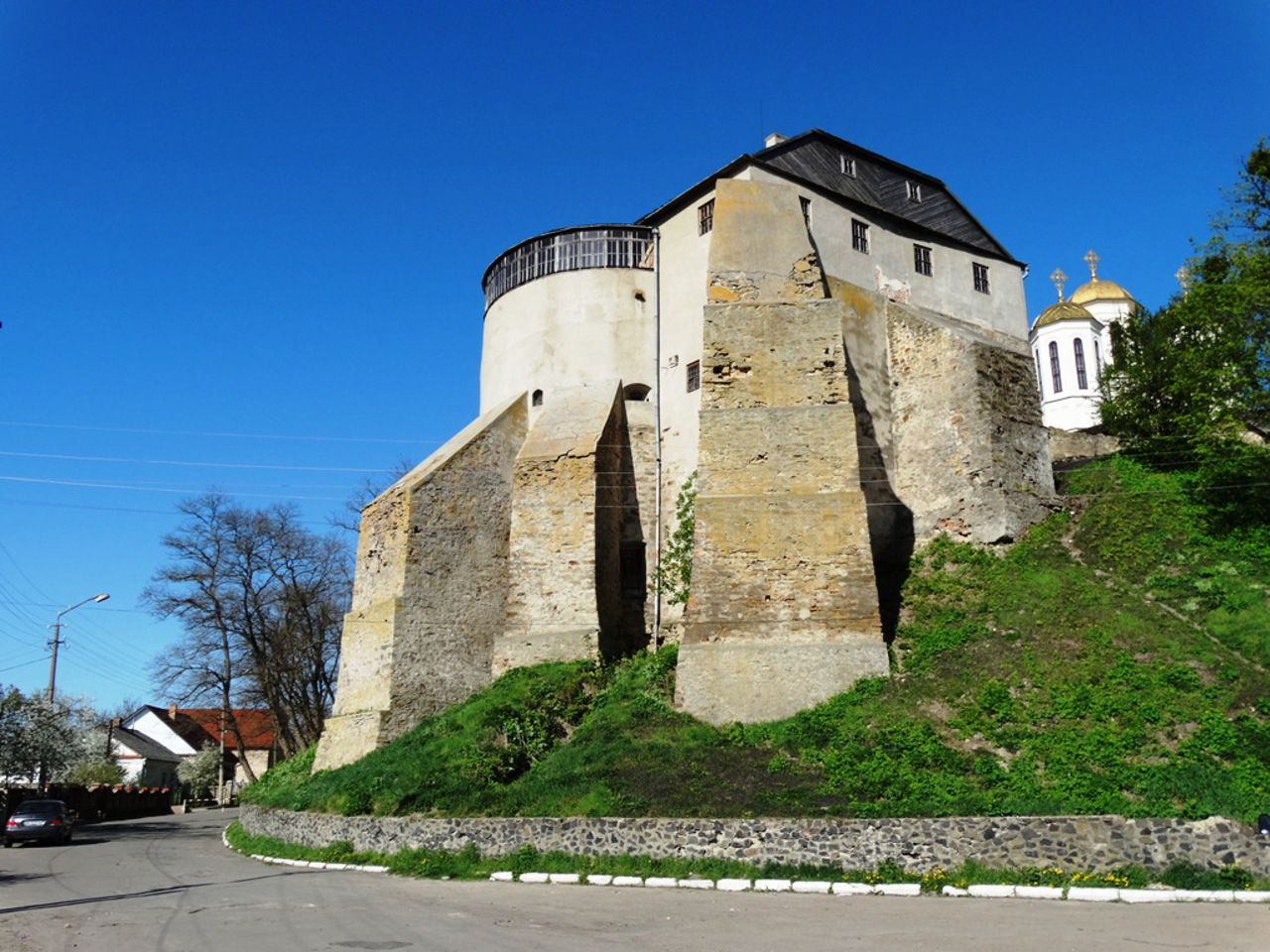
The Ostroh Castle on the mountain above the Viliya River is the former residence of the powerful Ostrozky princes, who in the 14th and 17th centuries owned large lands in Volyn.
Prince Danylo - the first precisely known prince from the Ostrozky dynasty - began to build fortifications on the site of an ancient Rus settlement. His descendants expanded and strengthened their capital for two centuries, which flourished at the beginning of the 16th century under Prince Kostyantyn Ostrozky.
The story of the "black princess" Halshka Ostrozka, who after the death of Illya Ostrozky father, inherited all his fortune is connected with the castle. Real tycoon wars broke out over her hand, she was forced to marry twice, but her uncle Vasyl-Kostyantyn managed to preserve the possessions of the Ostrozky family. Subsequently, he became famous as an educator and defender of Orthodoxy.
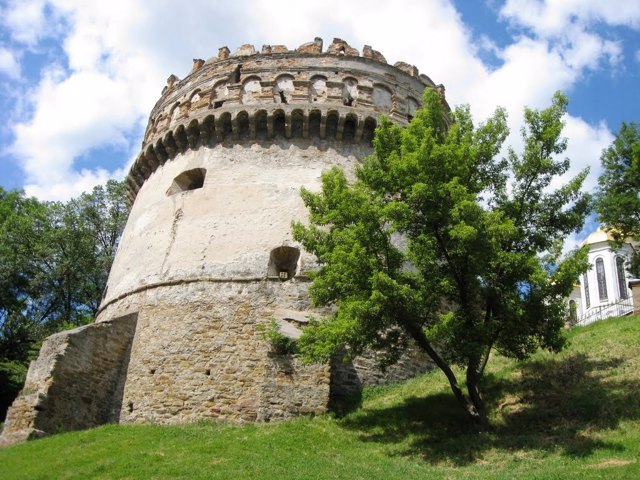
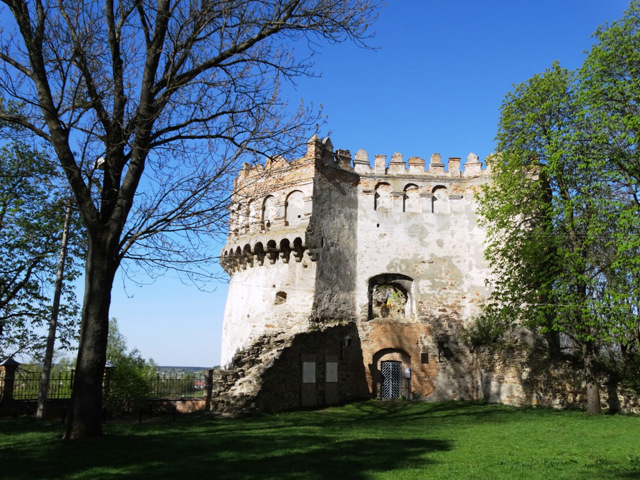
The oldest building of Ostroh Castle is the Watch Tower or "Brick Tower" (XIV century), in which the exposition of the local history museum was opened as early as 1916. The main exhibit is the famous Ostroh Bible, published in 1681 by the first printer Ivan Fedorov. A collection of unique Volyn "smiling icons" is on display. A model of the medieval Ostroh is presented. Also preserved is the Round (New) tower (XVI century) with a Renaissance crown of dentils, from the foot of which you can see the domes of the monastery in Mezhirich.
The ancient Epiphany Cathedral (year 1453) is located on the territory of the castle, the silhouette of which was the coat of arms of the city. Under the Catholics, the church was partially destroyed, one wall with loopholes was included in the fortification system of the castle. At the end of the 19th century, the cathedral was reconstructed in the pseudo-Byzantine style according to the project of the architect Basilevsky, and the baths received a characteristic gilding. In 1905, the Nadbram bell tower was built. The temple is active, belongs to the UOC MP.
Since 1981, Ostroh Castle, together with the ensemble of other architectural monuments of the city and its surroundings, has been part of the State Historical and Cultural Reserve of Ostroh. In recent years, a number of accessibility programs have been implemented here. In particular, the reserve implemented the project "Inclusive Museum in Ostroh Castle". Now visually impaired visitors have access to tactile pointers and diagrams, 3D models of some exhibits (in particular, a tactile model of the castle of the Princes Ostrozky), an audio guide with tiflocommentary, a guide for the blind, as well as a guide with adapted text for people with hearing impairments. The site of the reserve is adapted for people with disabilities.
Akademichna Street, 5
Add to favorites
Add to route
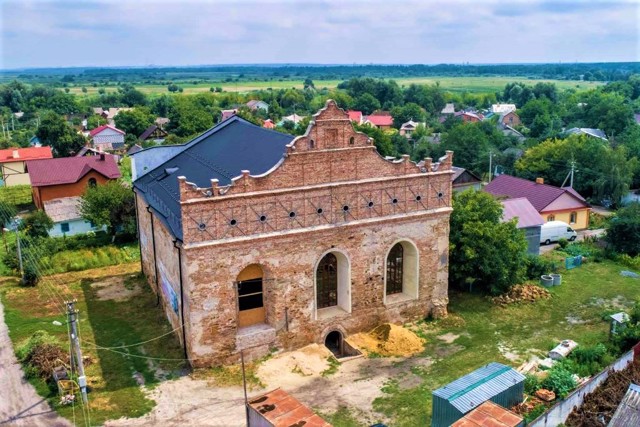
Great Synagogue
Architecture
Built in Ostroh in the 16th century, the defensive Great Synagogue was at one time one of the largest centers of Jewish culture in Europe, with a higher school of rabbis.
It was destroyed during the War of Liberation.
After the Second World War, the Jewish community of the city was never restored, the synagogue building was used as a warehouse.
Until 2016, it was in a state of disrepair, gradually collapsing. In 2016, the restoration of the synagogue began at the expense of patrons.
Lavrentiya Tustanovskoho Street
Add to favorites
Add to route

Ostroh in news and blogs
 11/08/2025
Reviews Ostroh
Geographical information about Ostroh
| {{itemKey}} | {{itemValue}} |
|---|---|
| Region |
Rivne |
Surrounding cities and villages
Practical tips to visit Ostroh
No data available at this time
Functional temporarily unavailable
Follow us
 1.svg "Twitter")
 1.svg "Facebook")
 1.svg "Instagram")