Functional temporarily unavailable

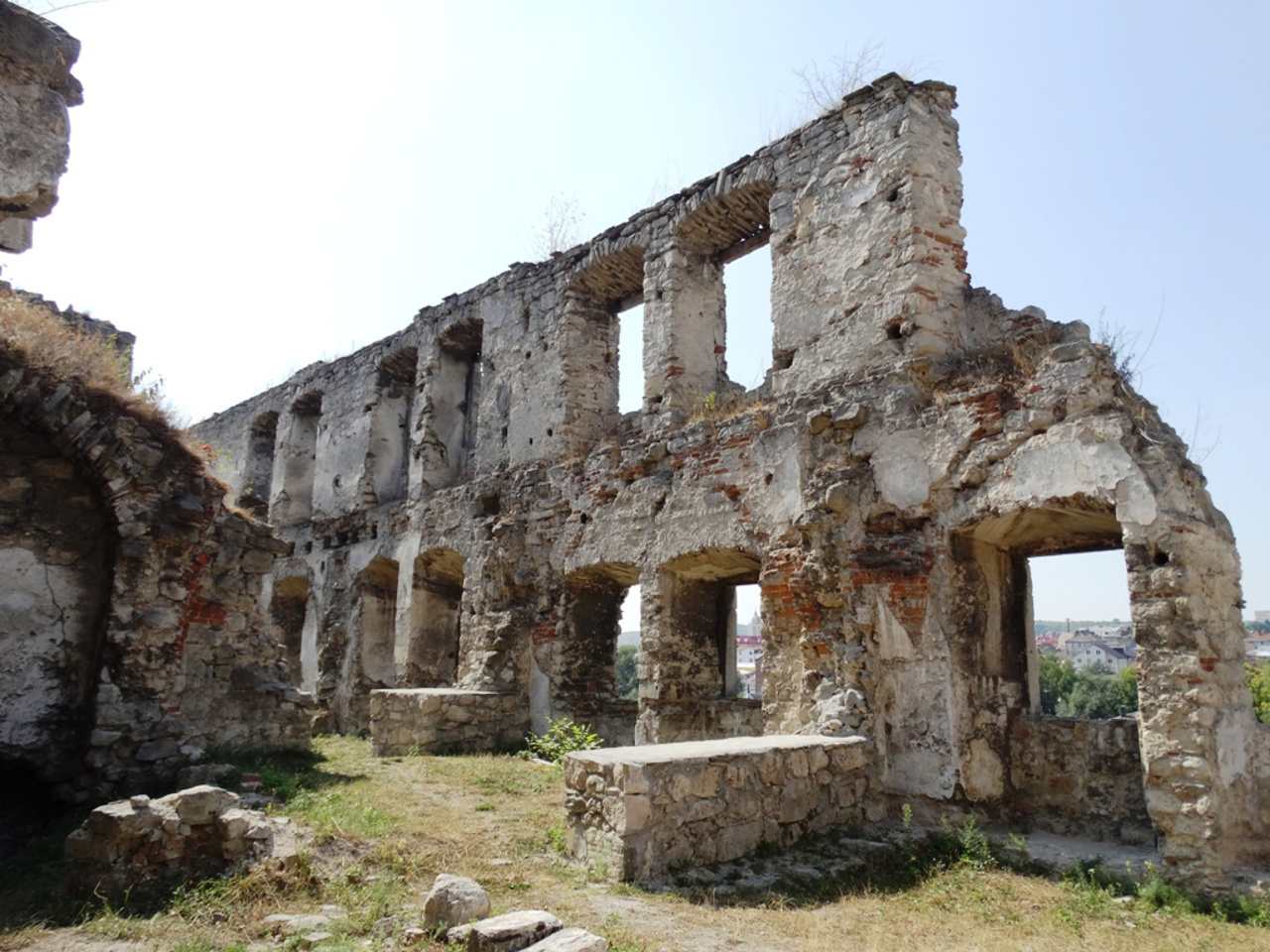


General information about Chortkiv
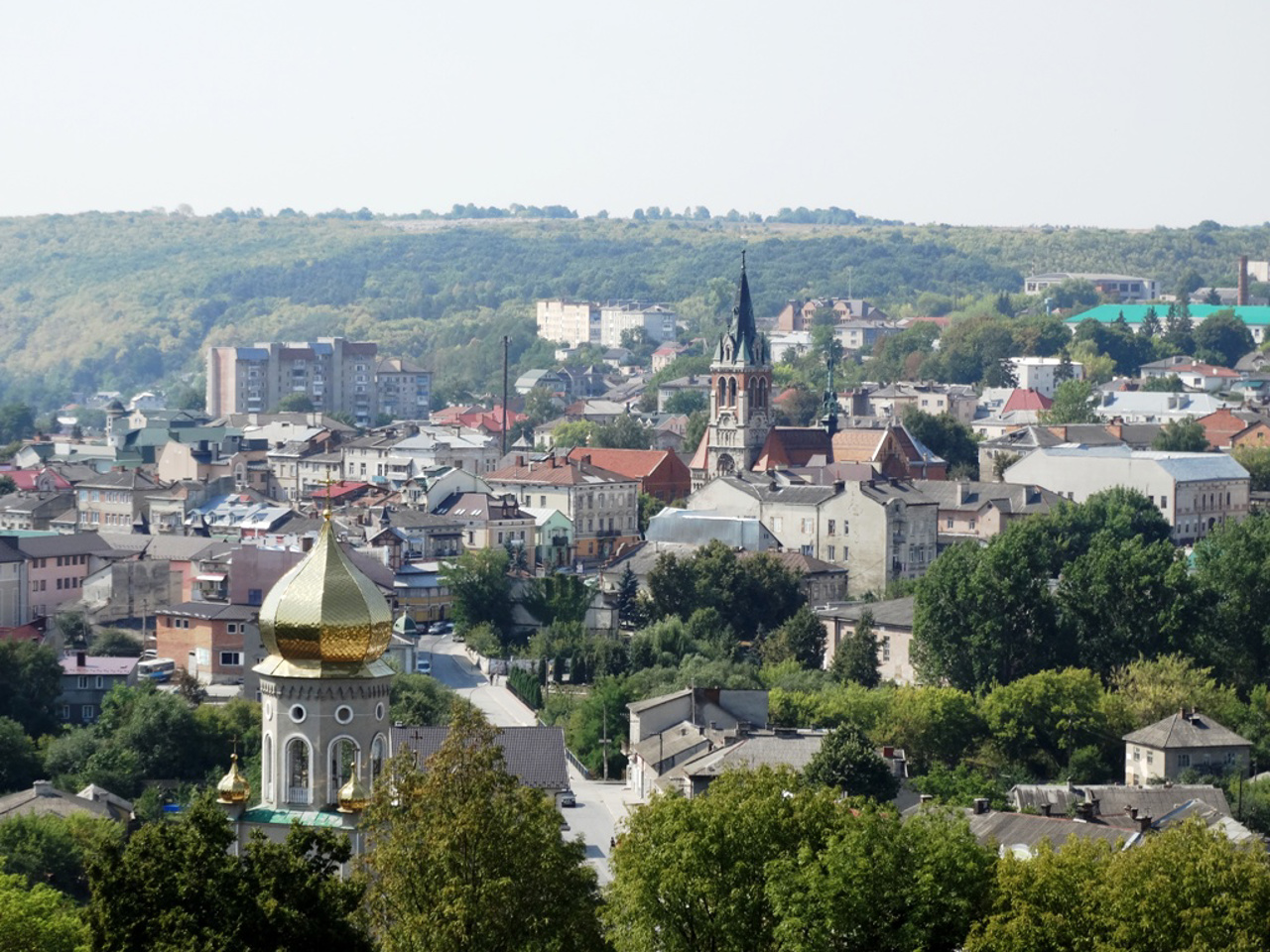
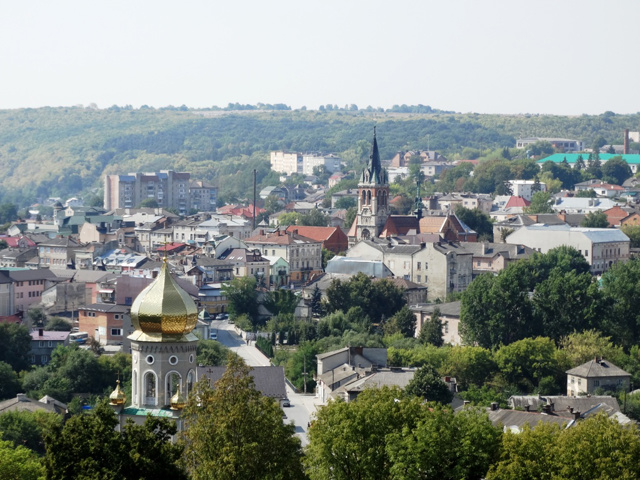
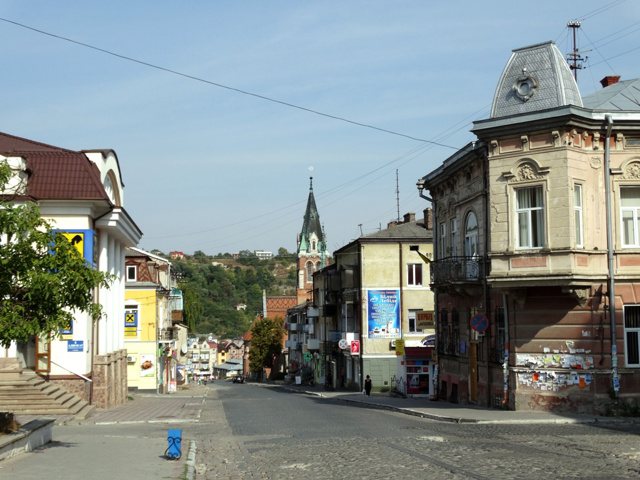
The city of Chortkiv is a large regional center with a light European flavor in architecture, convenient for walking. Located on the banks of the Seret River between Ternopil and Chernivtsi.
It was founded in the 15th century by the nobleman Ivan (Yan) Prandotych (Prandotoy) from Polish Chartki, in whose honor Chartkovice was named. The grandson of the founder Yezhy Prandotych renamed the town to Chartkiv (Chortkiv) and took the surname Chartkovskyi. He also built the first wooden castle under Vyhnanska Hill.
At the beginning of the 17th century, the new owner, Stanislav Holskyi, built a stone castle-fortress and built a church, which was rebuilt at the beginning of the 20th century. In 1648, Chortkiv became one of the centers of the peasant uprising, then it was under the r ...
The city of Chortkiv is a large regional center with a light European flavor in architecture, convenient for walking. Located on the banks of the Seret River between Ternopil and Chernivtsi.
It was founded in the 15th century by the nobleman Ivan (Yan) Prandotych (Prandotoy) from Polish Chartki, in whose honor Chartkovice was named. The grandson of the founder Yezhy Prandotych renamed the town to Chartkiv (Chortkiv) and took the surname Chartkovskyi. He also built the first wooden castle under Vyhnanska Hill.
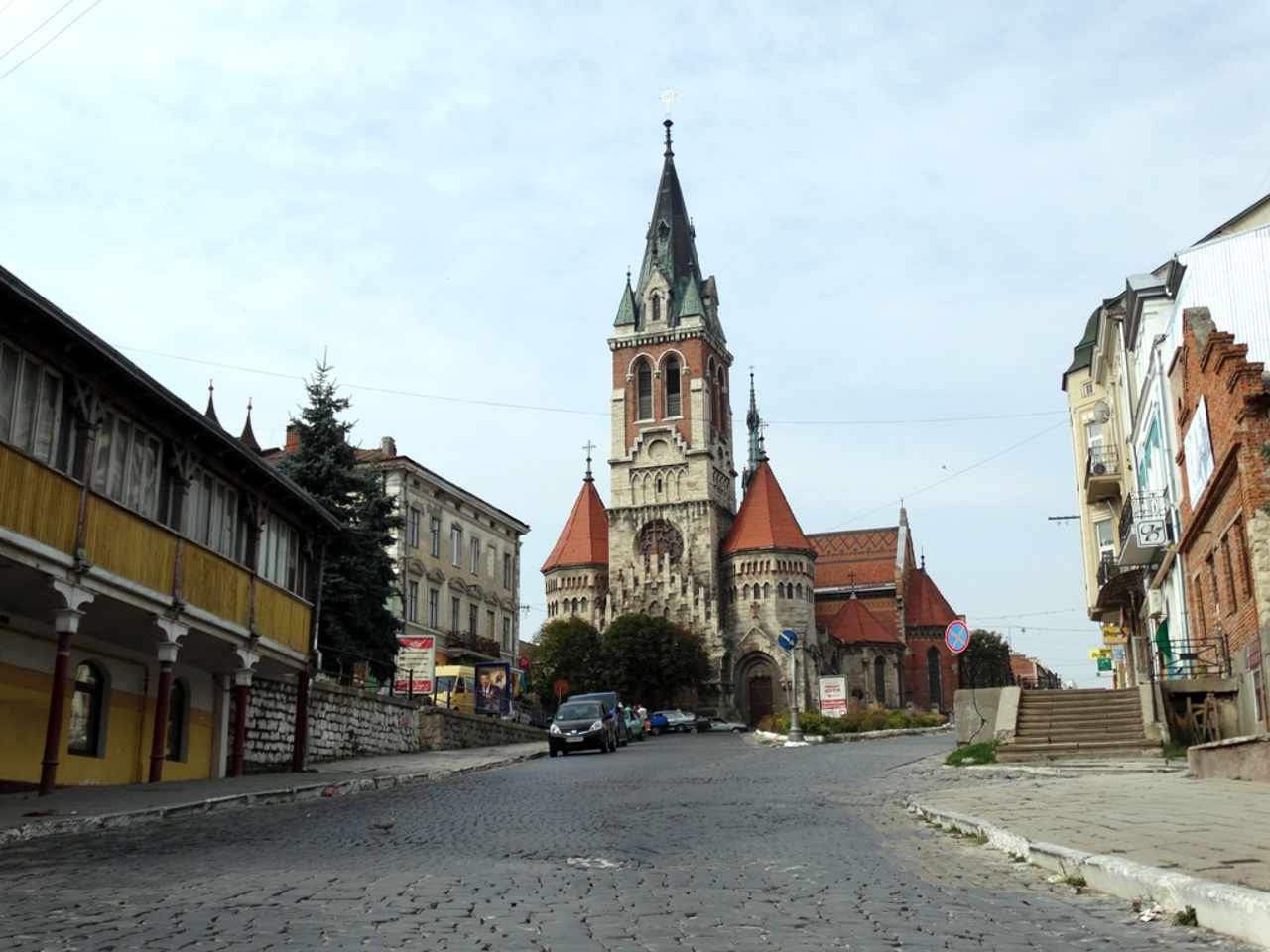
At the beginning of the 17th century, the new owner, Stanislav Holskyi, built a stone castle-fortress and built a church, which was rebuilt at the beginning of the 20th century. In 1648, Chortkiv became one of the centers of the peasant uprising, then it was under the rule of Turkey, Austria, and Poland.
Before the Second World War, a large Jewish community lived here. After the deportation of Ukrainians from Poland in 1947, a large community of Lemkos settled in Chortkiv, which now make up 20% of the district's population.
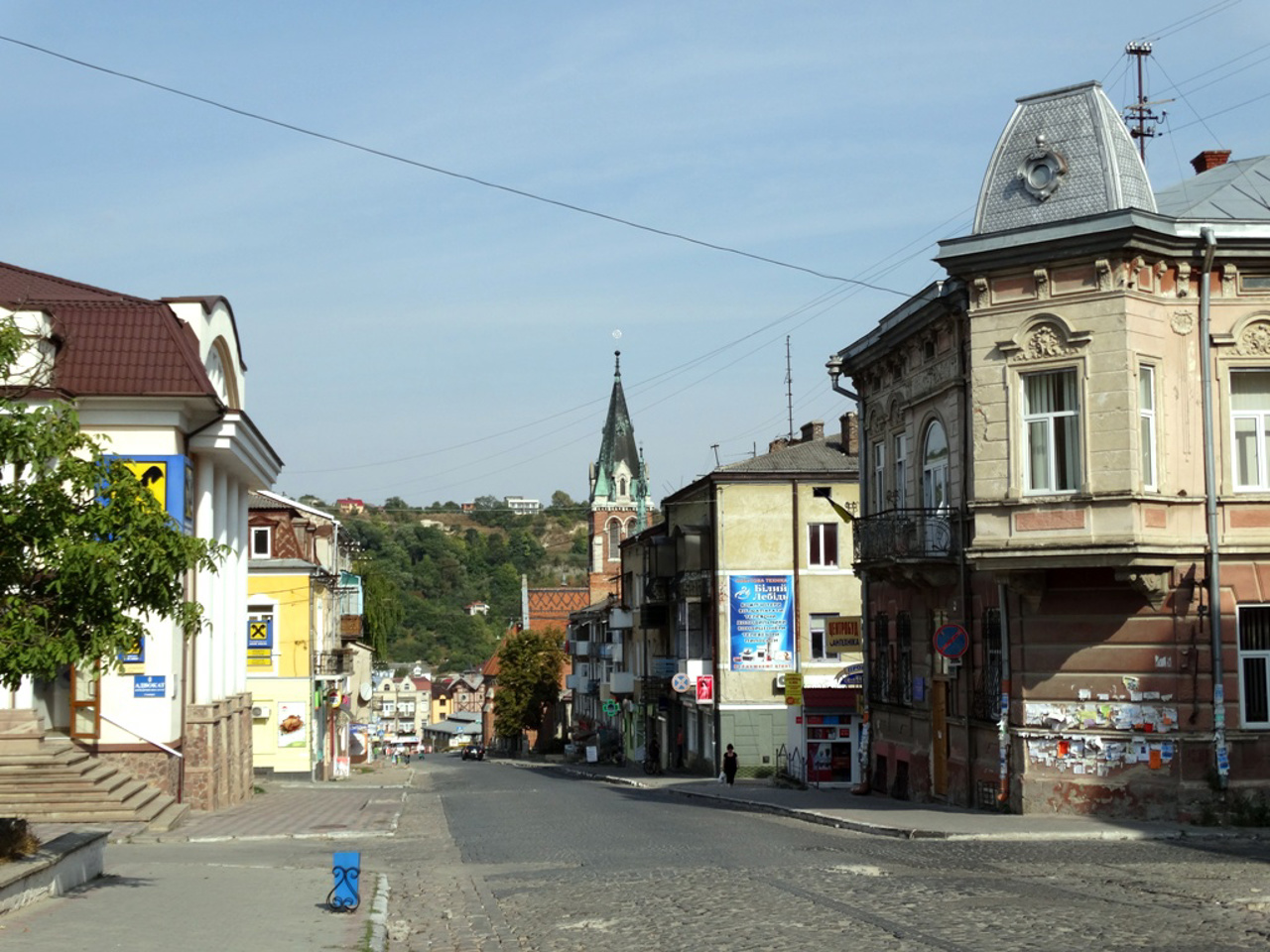
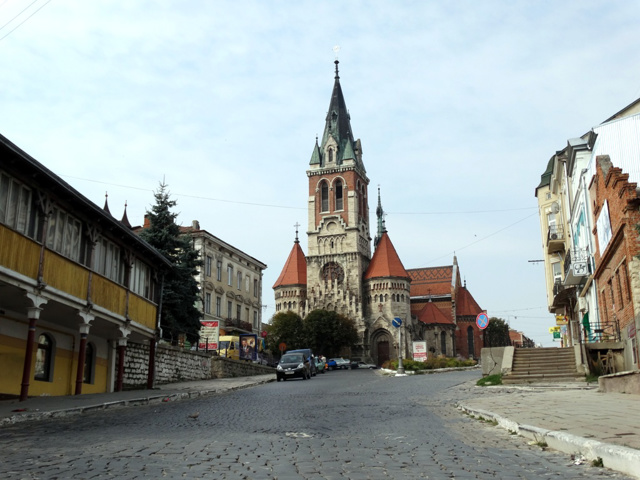
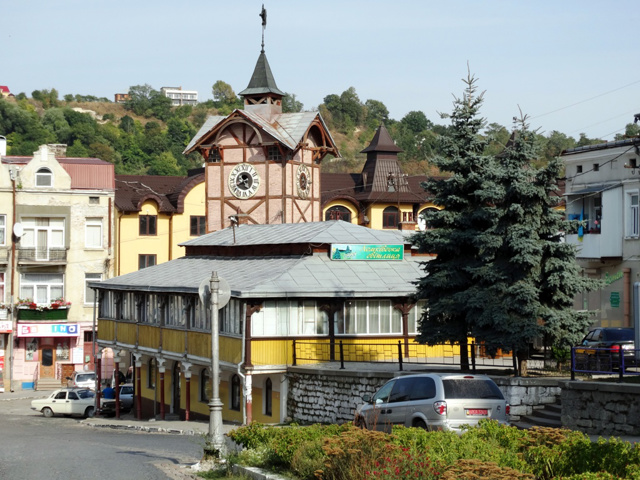
The market square of the old town, despite the neglect of most of the buildings, resembles provincial European towns. This color is created by a high neo-Gothic church, an old town hall with a clock on the tower and a rooster on the spire, small houses in the Art Nouveau style, curved cobbled streets.
Hotels and restaurants in Chortkiv are mostly of a low standard, but there are exceptions.
Місто Чортків - великий райцентр з легким європейським колоритом в архітектурі, зручний для піших прогулянок. Розташоване на берегах річці Серет між Тернополем і Чернівцями.
Засноване в XV столітті шляхтичем Іваном (Яном) Прандотичем (Прандотой) з польських Чартків, на честь яких отримало назву Чартковіце. Онук засновника Єжи Прандотич перейменував місто в Чарткув (Чортків) і взяв прізвище Чартковський. Він же заклав перший дерев'яний замок під Вигнанською горою.
На початку XVII століття новий власник Станіслав Гольський звів кам'яний замок-фортецю і заклав костел, перебудований на початку XX століття. В 1648 році Чортків став одним з центрів селянського повстання, потім перебував під владою Туреччини, Австрії, Польщі.
До Другої світової війни тут проживала чис ...
Місто Чортків - великий райцентр з легким європейським колоритом в архітектурі, зручний для піших прогулянок. Розташоване на берегах річці Серет між Тернополем і Чернівцями.
Засноване в XV столітті шляхтичем Іваном (Яном) Прандотичем (Прандотой) з польських Чартків, на честь яких отримало назву Чартковіце. Онук засновника Єжи Прандотич перейменував місто в Чарткув (Чортків) і взяв прізвище Чартковський. Він же заклав перший дерев'яний замок під Вигнанською горою.
На початку XVII століття новий власник Станіслав Гольський звів кам'яний замок-фортецю і заклав костел, перебудований на початку XX століття. В 1648 році Чортків став одним з центрів селянського повстання, потім перебував під владою Туреччини, Австрії, Польщі.
До Другої світової війни тут проживала численна єврейська громада. Після депортації українців з Польщі в 1947 році в Чорткові осіла велика громада лемків, які складають зараз до 20% населення району.
Ринкова площа старого міста, незважаючи на занедбаність більшості будівель, нагадує провінційні європейські містечка. Цей колорит створює високий неоготичний костел, стара ратуша з годинником на вежі та півником на шпилі, невеликі будиночки в стилі модерн, криві бруковані вулички.
Готелі та ресторани в Чорткові в основному невисокого рівня, але є винятки.
Сплануй своє перебування у Chortkiv
What to see and where to go in Chortkiv

Tourist attractions and museums of Chortkiv


Ascension of Lord Church
Temple , Architecture
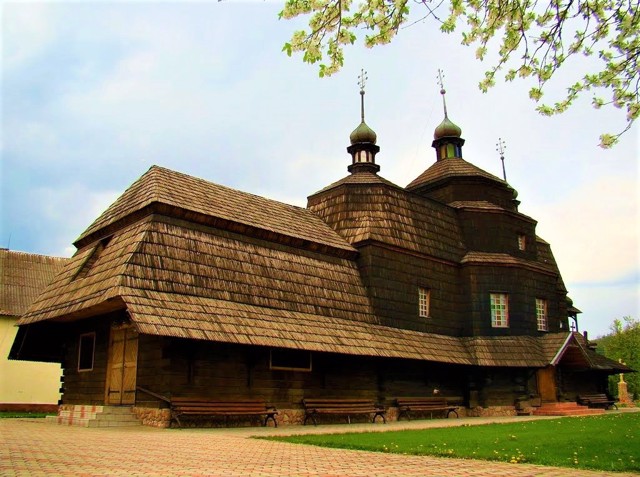
The Church of the Ascension of the Lord is located near the Chortkiv railway station.
It was built in 1717 on the site of a burned-down church founded in 1630 in the suburb of Dolishnya Vyhnanka.
This three-log wooden church is considered one of the best examples of Podillya folk architecture. The Church of the Ascension was built by Chortkiv folk craftsmen without a single nail, and impresses with its monumental forms. The interior has many carved details.
The Ascension Church belongs to the Ukrainian Greek Catholic Church.
 Zaliznychna Street, 83
Add to favorites
Add to route
Assumption of Blessed Virgin Church
Temple , Architecture
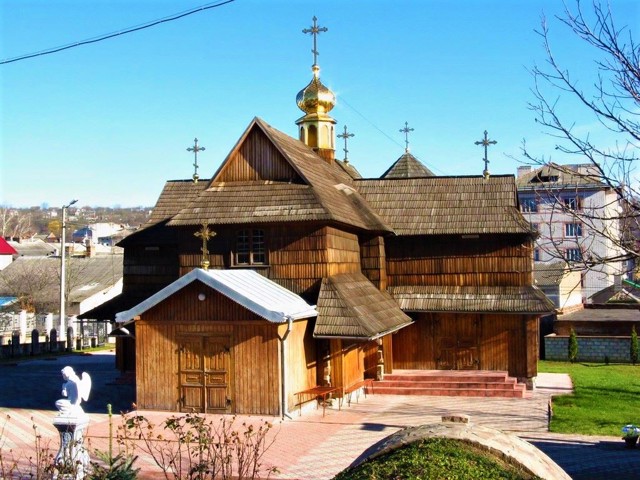
The wooden Church of the Assumption of the Blessed Virgin Mary in Chortkiv is an example of Podillya folk architecture, the oldest surviving church in Chortkiv.
Assumption Church was founded in 1538 on the initiative of the city brotherhood, whose members were local craftsmen. It was rebuilt in its present form in 1635.
This type of church is called "house" - they were built like ordinary residential houses-huts without architectural decorations. Wooden log cabins are covered with a common shingle roof.
A wonderful carved iconostasis of the 18th century has been preserved.
Assumption Church belongs to the parish of the Orthodox Church of Ukraine.
Tserkovna Street, 12
Add to favorites
Add to route
Chortkiv Castle
Castle / fortress
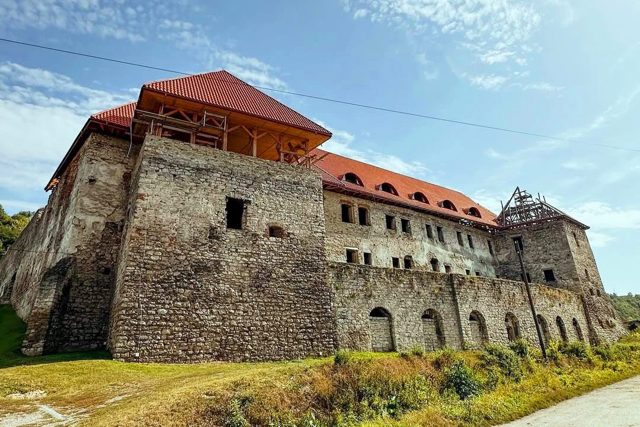
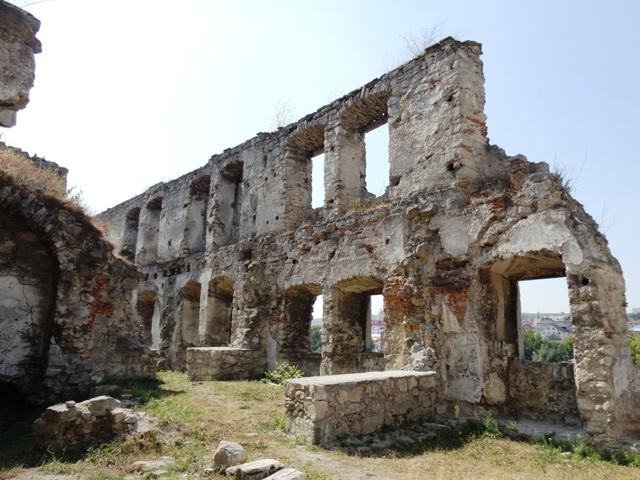
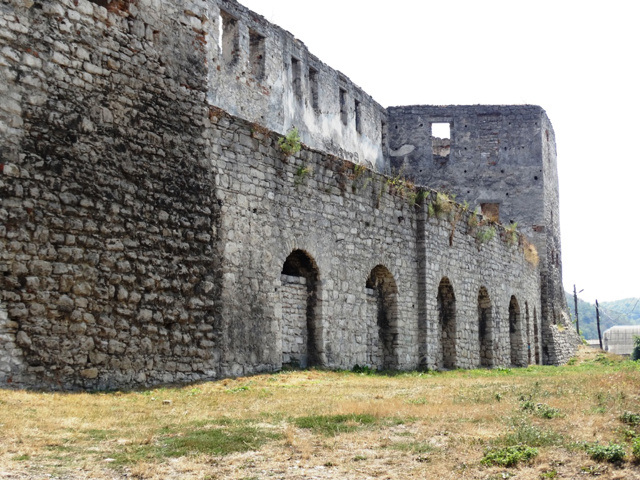
The stone Chortkiv Castle at the foot of the Vygnan mountain was built in 1610 by the new owner of these lands, Stanislav Holsky, on the site of the wooden fortress of the Princes of Chartkivsky.
The pentagonal fortification with towers at the corners, inside which the palace and farm buildings were located, was considered a typical defensive structure of its time, but it had an unfortunate strategic position - the Chortkiv Castle was repeatedly destroyed. In particular, in 1648 it was stormed by the troops of Maksym Kryvonos, and in 1672 it was captured by the Turks.
In the 19th century, the representatives of the Potocki princely family tried to restore the Chortkiv Castle, for some time it was owned by the order of Carmelite sisters, but it remained uninhabited and gradually fell into disrepair. During the 20th century, it was used as a warehouse. Until recently, it was owned by one of the city's utility companies.
In 2010, Chortkiv Castle is under the protection of the National Reserve "Castles of Ternopill Region". Archaeological research and conservation work are underway. It is planned to create a museum and a cafe.
Zamkova Street, 1
Add to favorites
Add to route
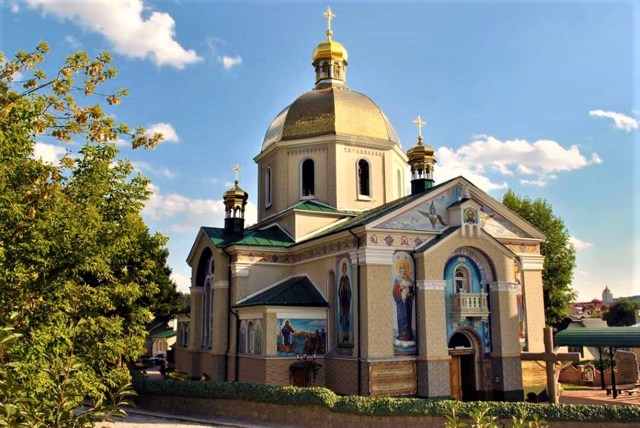
Holy Intercession Church
Temple , Architecture
The Church of the Holy Intercession in Chortkiv is one of the new churches of the city, which is distinguished by its rich decoration.
It was built in 1905 at the expense of parishioners on the site of a wooden church. The building of the Intercession Church in the classical style was built according to the project of the Lviv architectural company under the leadership of the architect Mykola Shashkevych and the Chortkiv builder Andriy Drazhnovsky.
According to legend, after the consecration of the Church of the Holy Intercession, a miraculous spring broke out in the yard, over which a chapel was built in honor of the Mother of God. In 1944, another miracle happened: a German shell hit the church, severely damaging it, but the icon of the Mother of God remained intact. And in 2004, there was an apparition of the Mother of God over the chapel of the Queen, built on the site of a new spring.
The 40-meter bell tower with a gilded dome was built in 1996.
There is a bathhouse on the territory of the temple.
Intercession Church belongs to the Orthodox Church of Ukraine.
Oleny Telihy Street, 16
Add to favorites
Add to route
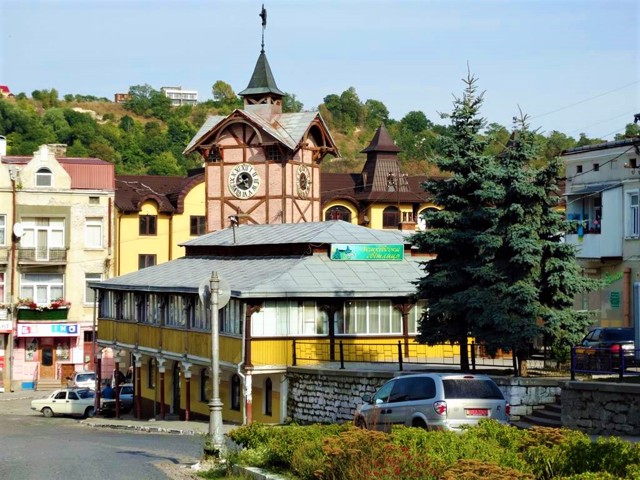
Old Town Hall
Architecture
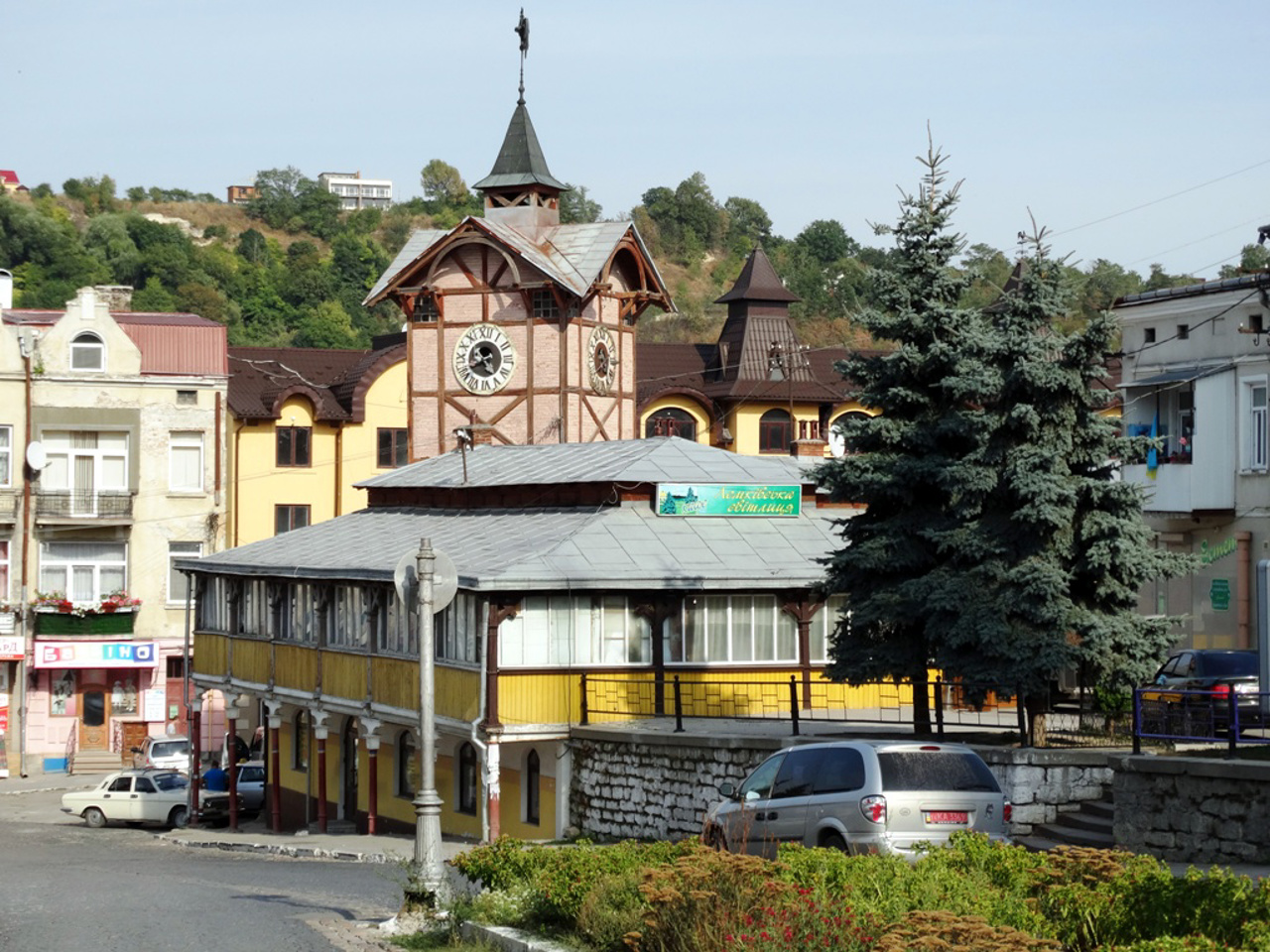
The bright half-timbered building of the Old Town Hall with a clock tower and a weather vane in the shape of a rooster is the hallmark of Chortkiv. It is surrounded by wooden shopping arcades, which are still used for their intended purpose - they house shops and other commercial establishments.
The Old Town Hall in Chortkiv was built in 1905-1908 on the initiative of the then mayor Ludwik Noss. After the First World War, the newly built shopping arcades continued to be developed as a trade and administrative complex. Together with small shops, the magistrate was located here until the New Town Hall was built in the city.
The building is made in the half-timbered (frame) style, which is characteristic of the medieval architecture of the northern regions of Western Europe. The tower houses a Swiss clock with four dials, made in 1887 by the Munich firm "Johann Mannhardt". The clock mechanism is still in working order. It can be viewed during tours of the tower, organized by the Chortkiv Tourist Information Center.
The "Lemkivska Svitlytsia" cafe, located in the Old Town Hall, offers national Lemko dishes (after deportation from Poland, one of the large Lemko communities settled in Chortkiv).
Rynok Street, 20
Add to favorites
Add to route

Chortkiv in news and blogs
 14/08/2025
Reviews Chortkiv
Geographical information about Chortkiv
| {{itemKey}} | {{itemValue}} |
|---|---|
| Region |
Ternopil |
Surrounding cities and villages
Practical tips to visit Chortkiv
No data available at this time
Functional temporarily unavailable
Follow us
 1.svg "Twitter")
 1.svg "Facebook")
 1.svg "Instagram")