Functional temporarily unavailable

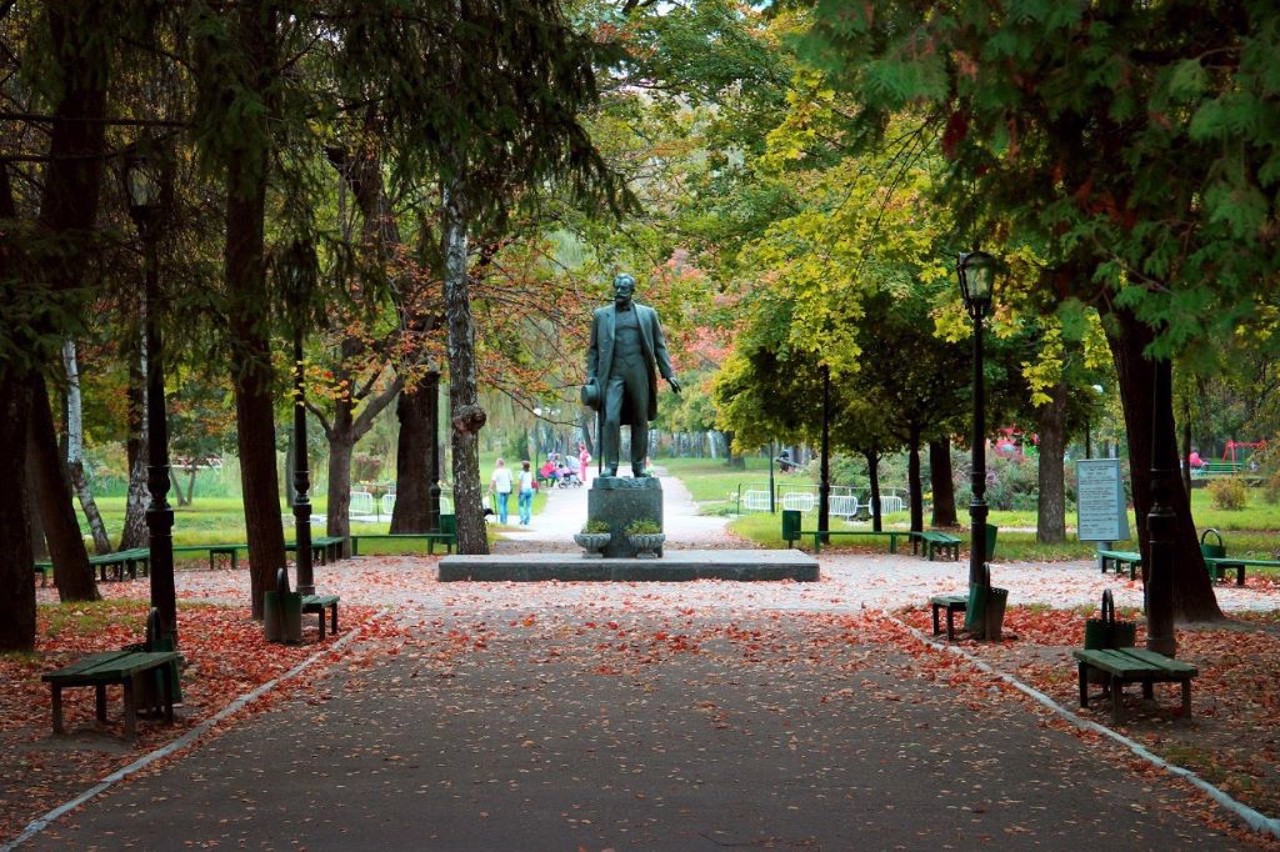
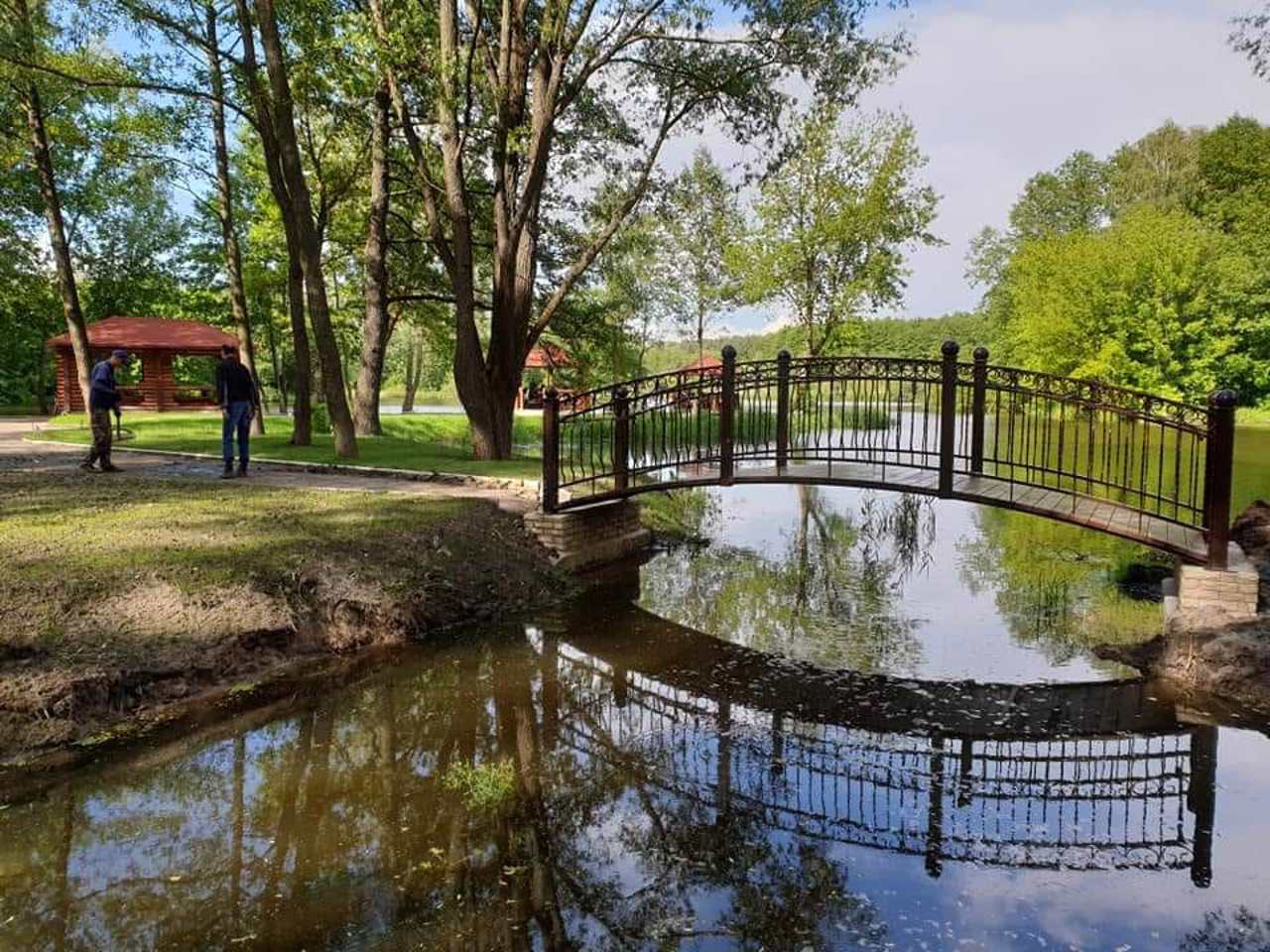


General information about Trostianets
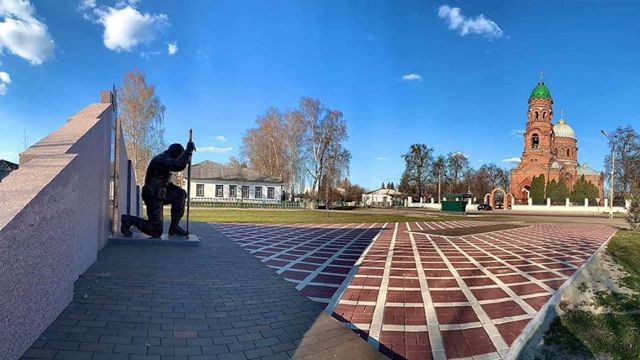
The city of Trostianets is located on the Boromlya River (a tributary of the Vorskla), on the Poltava-Sumy highway, 20 kilometers from Okhtyrka.
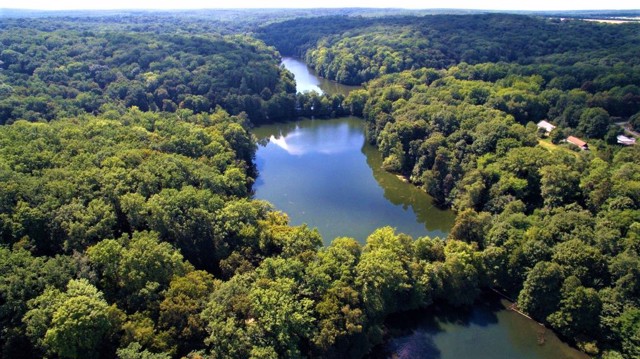
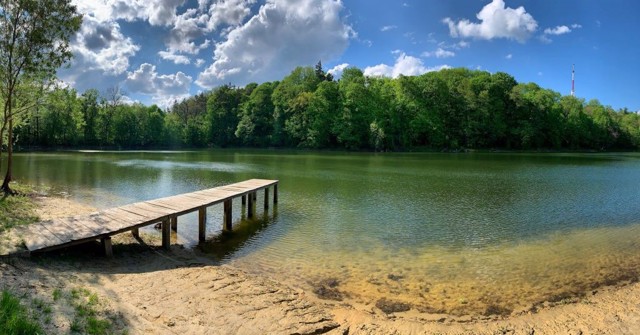
It was founded in the 18th century by fugitive peasants and Cossacks near the picturesque Neskuchne tract, where there are three lakes in the middle of a mixed pine-deciduous forest. The name is probably related to the vegetation on the banks of reservoirs.
In 1672, Colonel Ivan Perehrestov of Okhtyrka received these lands for temporary use. 13 years later, he took Trostianets as permanent possession, but got rid of it under Peter I "for extortion".
In 1720, the lands that went to the treasury were transferred by Peter I to the tsarist cleric Tym ...
The city of Trostianets is located on the Boromlya River (a tributary of the Vorskla), on the Poltava-Sumy highway, 20 kilometers from Okhtyrka.
It was founded in the 18th century by fugitive peasants and Cossacks near the picturesque Neskuchne tract, where there are three lakes in the middle of a mixed pine-deciduous forest. The name is probably related to the vegetation on the banks of reservoirs.
In 1672, Colonel Ivan Perehrestov of Okhtyrka received these lands for temporary use. 13 years later, he took Trostianets as permanent possession, but got rid of it under Peter I "for extortion".
In 1720, the lands that went to the treasury were transferred by Peter I to the tsarist cleric Tymofiy Nadarzhynskyi, whose sons - Yosyp, Denys, Herasym and Filip - in 1749 built a fortress-type manor "Round Yard" here. The Nadarzhynskyis also built the Church of the Annunciation (1750), which has survived to this day.
In 1843, the estate became the property of Prince Vasyl Holitsyn, who built a palace in the style of classicism and converted the "Round Yard" into an open theater in the style of the Roman Coliseum. Composer Petro Chaykovskyi visited the Holitsyns. The last owners of the manor were the Kenig sugar planters.
Now Trostianets is known for the products of the chocolate factory "Ukraine" ("Corona" trademark).
Місто Тростянець розташоване на річці Боромля (притоці Ворскли), на трасі Полтава-Суми, в 20 кілометрах від Охтирки.
Засноване в ХVІІІ сторіччі селянами-втікачами та козаками поблизу мальовничого урочища Нескучне, де серед змішаного сосново-листяного лісу знаходяться три озера. Назва, ймовірно, пов'язана з рослинністю на берегах водойм.
В 1672 році ці землі отримав у тимчасове користування охтирський полковник Іван Перехрестов. Через 13 років він прийняв Тростянець вже в постійне володіння, але позбувся його за Петра I "за здирництво".
Землі, що відійшли в казну, в 1720 році були передані Петром I царському духівникові Тимофію Надаржинському, сини якого - Йосип, Денис, Герасим і ...
Місто Тростянець розташоване на річці Боромля (притоці Ворскли), на трасі Полтава-Суми, в 20 кілометрах від Охтирки.
Засноване в ХVІІІ сторіччі селянами-втікачами та козаками поблизу мальовничого урочища Нескучне, де серед змішаного сосново-листяного лісу знаходяться три озера. Назва, ймовірно, пов'язана з рослинністю на берегах водойм.
В 1672 році ці землі отримав у тимчасове користування охтирський полковник Іван Перехрестов. Через 13 років він прийняв Тростянець вже в постійне володіння, але позбувся його за Петра I "за здирництво".
Землі, що відійшли в казну, в 1720 році були передані Петром I царському духівникові Тимофію Надаржинському, сини якого - Йосип, Денис, Герасим і Філіп - в 1749 році побудували тут садибу фортечного типу "Круглий двір". Надаржинські побудували і Благовіщенську церкву (1750 рік), що збереглася до наших днів.
З 1843 року маєток перейшов у власність князя Василя Голіцина, який побудував палац у стилі класицизму і переобладнав "Круглий двір" на відкритий театр в стилі римського Колізею. У Голіциних гостював композитор Петро Чайковський. Останніми власниками садиби були цукрозаводчики Кеніги.
Зараз Тростянець відомий продукцією шоколадної фабрики "Україна" (торгова марка "Корона").
Сплануй своє перебування у Trostianets
What to see and where to go in Trostianets

Tourist attractions and museums of Trostianets


Leopold Koenig Estates Manager House
Architecture
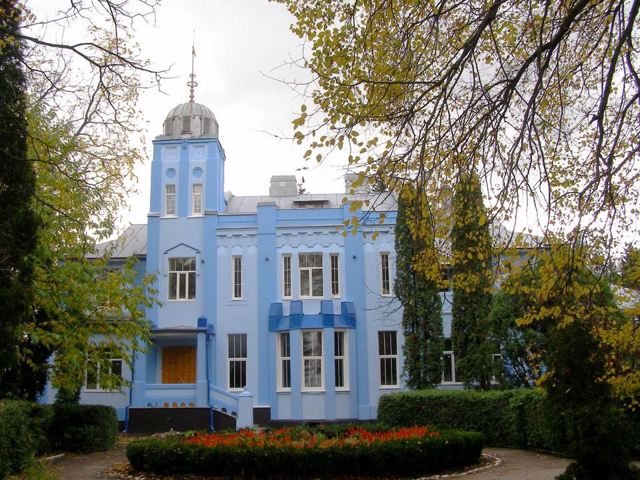
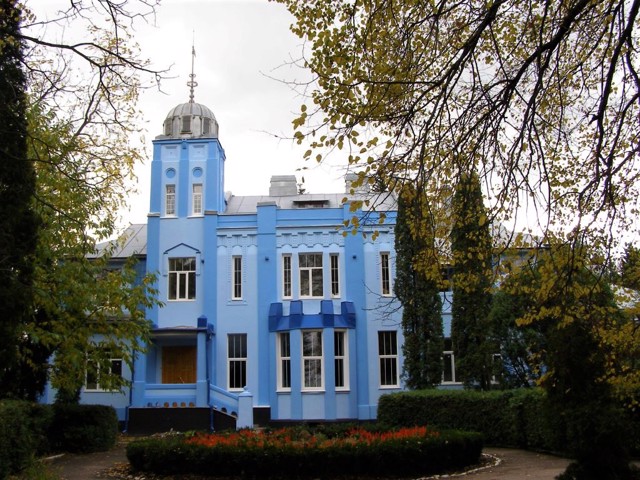
The former house of the manager of the estates of Leopold Koenig in Trostianets was built in 1911 in the far part of the Neskuchne Park.
The two-story building of an asymmetrical composition with a tower in its eastern part is made in the Art Nouveau style. The head of forestry lived here with his family. During the Soviet rule, an agricultural school was opened in the building, and in 1923, the first forest research station in Ukraine.
Today it is the administrative building of the Krasnotrostyanetska Forest Research Station - a branch of the Institute of Forestry and Agromelioration.
The Manager's House has the status of an architectural monument of national importance.
During the Russian occupation of Trostianets in 2022, the House of the estate manager Leopold Koenig burned down. In particular, the fire destroyed the red oak wooden staircase and the library, which had more than 15,000 books and began to take shape during Koenig's time. The monument needs complete restoration.
 Neskuchanska Street, 15
Add to favorites
Add to route
Leopold Koenig Monument
Monument
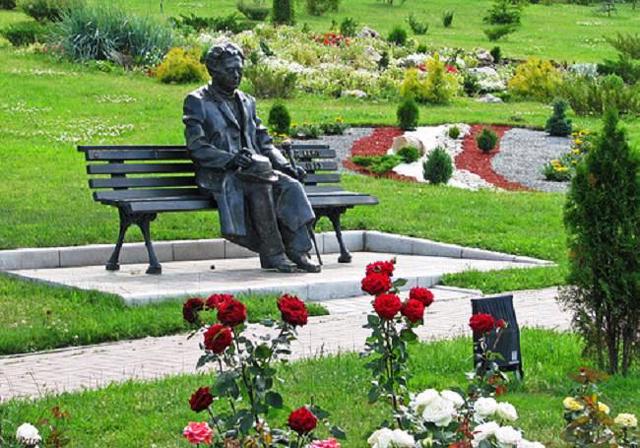
A monument to the entrepreneur Leopold Koenig was erected in 2010 in Trostianets, across the street from the Trostianets chocolate factory "Mondelize" (formerly "Kraft Foods", "Ukraine").
At the end of the 19th century, Koenig opened a sugar refinery on the site of this enterprise. Koenig also built a parquet factory, a mill, and a distillery in Trostianets, contributing to the economic development of the city and the region.
Naberezhna Street, 41
Add to favorites
Add to route
Leopold Koenig's Manor (Holitsyn Palace)
Palace / manor , Architecture , Museum / gallery
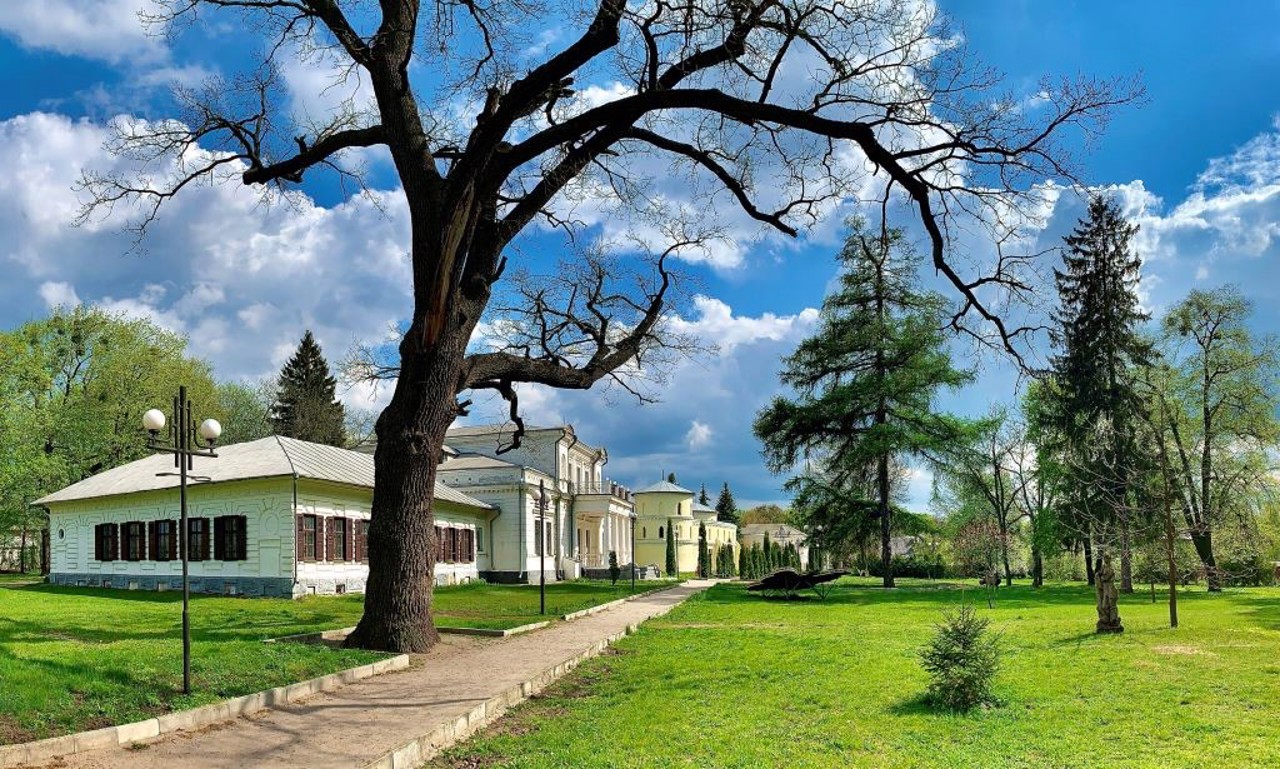
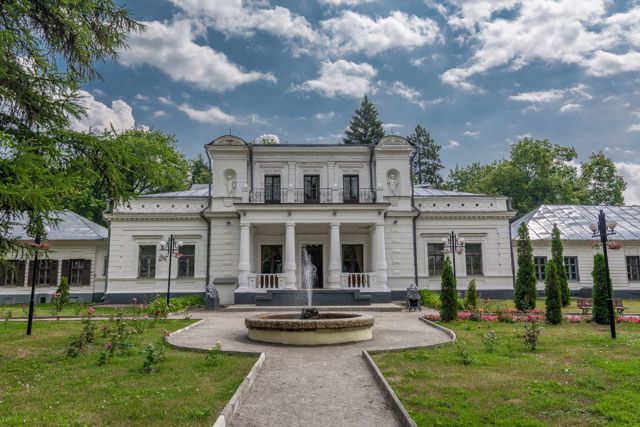
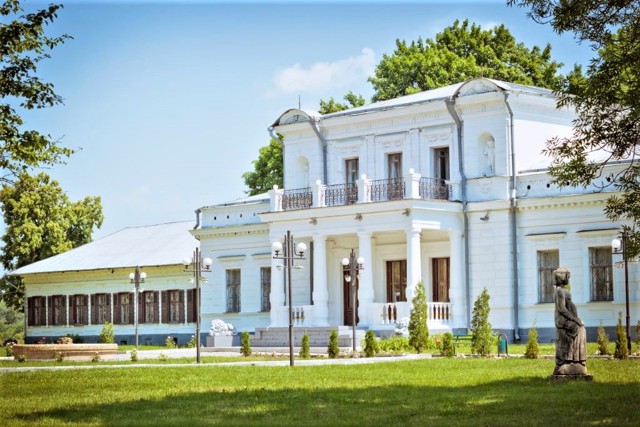
Leopold Koenig Manor (Holitsyn Palace) in Trostianets is a neoclassical manor house with Baroque elements, built in 1762 by the Nadarzhynskyi brothers next to the Round Yard Manor.
Prince Vasyl Holitsyn owned it for almost half a century from 1832, and in 1881 the estate became the property of the sugar factory Leopold Koenig, who carried out the reconstruction. Now the palace houses the Trostianets Museum and Exhibition Center.
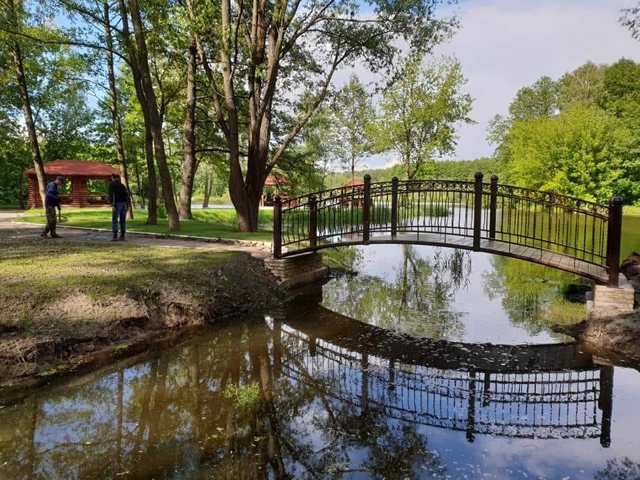
The building is decorated with rich stucco on the facade and sculptures in the niches. The palace is surrounded by a luxurious park with a lake, a gazebo and park sculptures. The grand oak staircase to the second floor, door portals with volutes, and a dance hall decorated with stucco and sculpture have been preserved in the interior. In the summer of 1864, the composer Petro Tchaikovsky lived and worked in this house while visiting Oleksiy Holitsyn, here he wrote the overture to the drama "The Thunderstorm" – his first symphonic work. During Soviet times, the palace housed a kindergarten, then the building was empty for a long time. Restoration was carried out in 2007-2009.
Currently, the ballroom and other central premises of the palace house a picture gallery and a small exhibition dedicated to Petro Tchaikovsky (a room-museum of Tchaikovsky is planned to be opened on the second floor). The Trostianets Museum of Local Lore operates in the right wing. In 2012, a chocolate museum was opened in the left wing, where the products of the Trostianets chocolate factory "Mondelize" (formerly "Kraft Foods", "Ukraine"), which is now produced mainly under the "Korona" brand, are presented. A coffee room is also open.
RUSSIAN-UKRAINIAN WAR
During the large-scale Russian invasion in 2022, when Trostianets was under Russian occupation for a month, Leopold Koenig's estate was damaged. There was a partially destroyed room with a local history exposition. The museum needs restoration.
Myru Street, 16A
Add to favorites
Add to route
Neskuchne Park
Park / garden
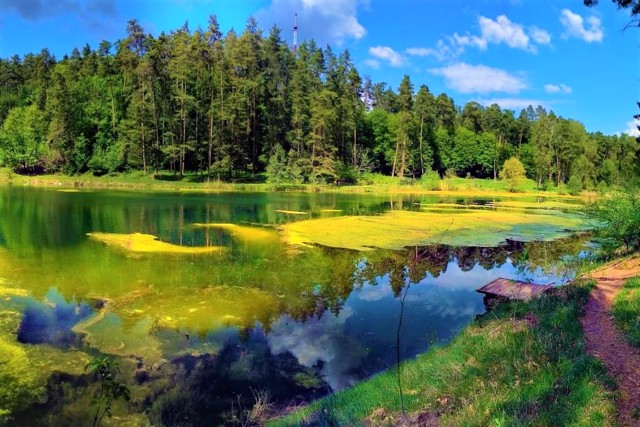
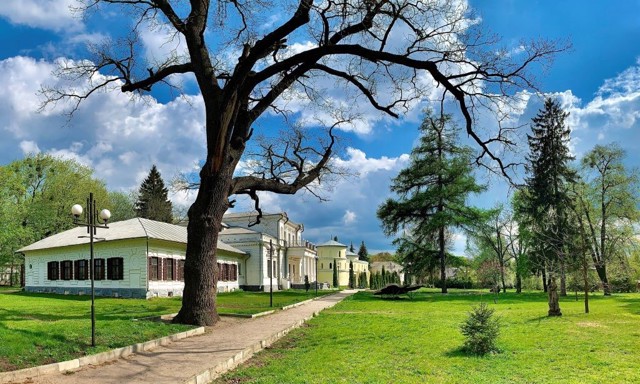
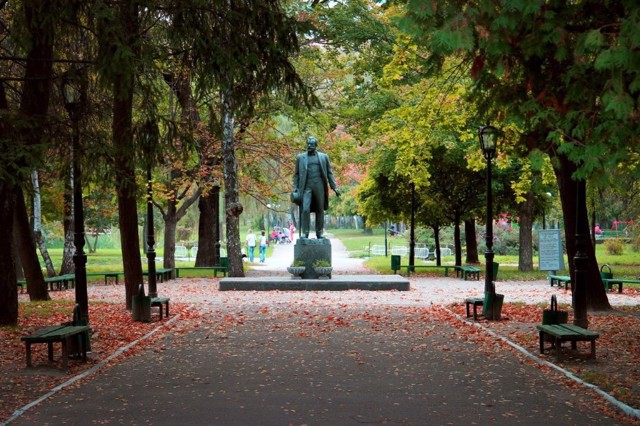
Park-monument of horticultural art "Trostianetsky" is located on the slopes of the hills of the picturesque tract "Neskuchne", where there are three lakes in the middle of a mixed pine-deciduous forest.
The landscape park was established at the beginning of the 19th century, when Trostianets belonged to Oleksandra Nadarzhynska, the granddaughter of the city's founder Timofiy Nadarzhynskyi. Formed on the basis of ancient timber and using the natural landscape, Neskuchne Park occupies an area of 256 hectares (400-year-old oaks have been preserved).
Near the back entrance to the park in 1911, a two-story art nouveau manager's house with a tower was built, which now houses a forest research station.
On the shore of the third lake in the depths of the park is the "Grote Nymph" (1809), built of large flat stones for the 100th anniversary of the Battle of Poltava. According to legend, the grotto was the entrance to the dungeons located under the city. Under Prince Vasyl Holitsyn, the grotto was used for theatrical performances on the theme of ancient Greek myths, hence the name.
Lisova Street
Add to favorites
Add to route
Round Yard
Palace / manor , Architecture
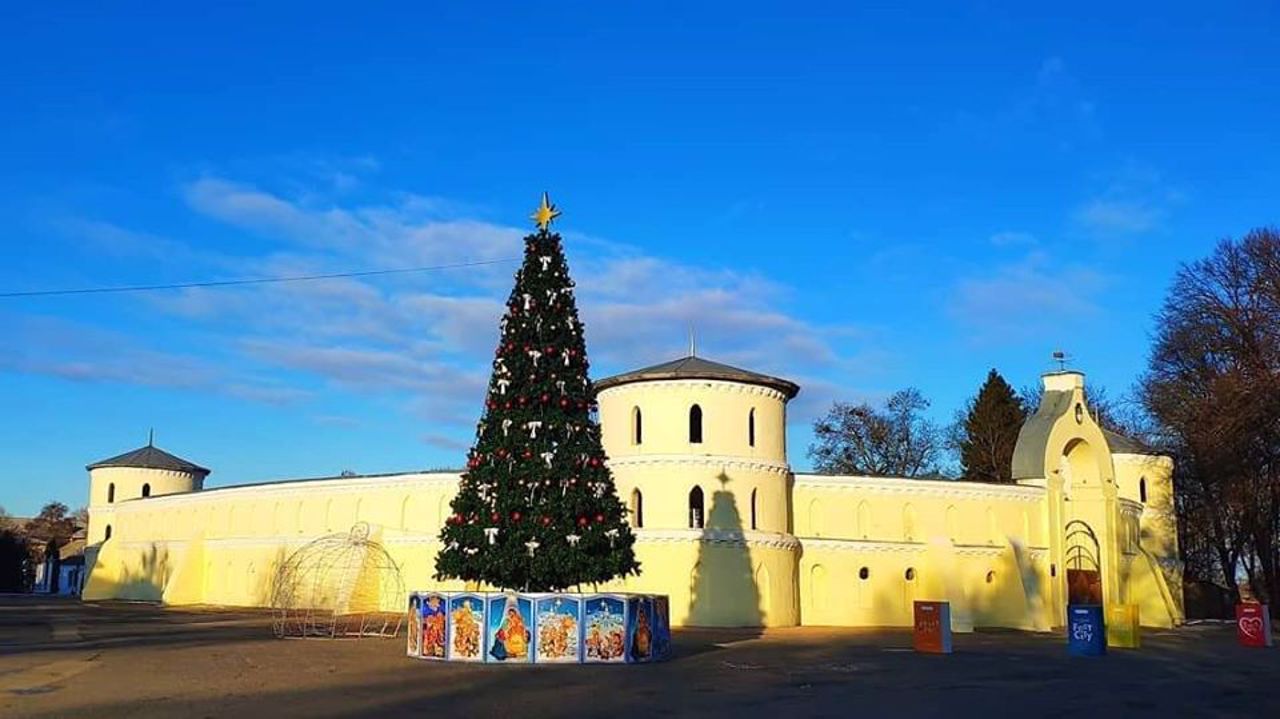
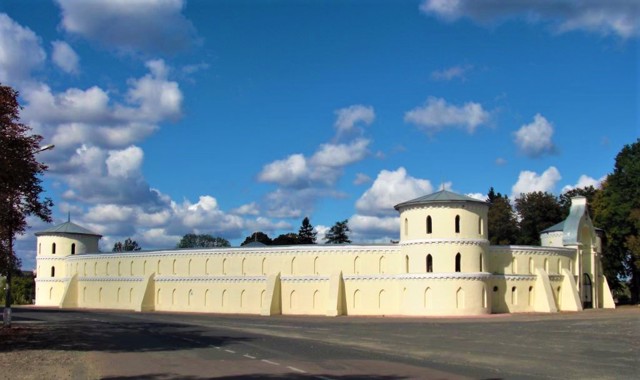
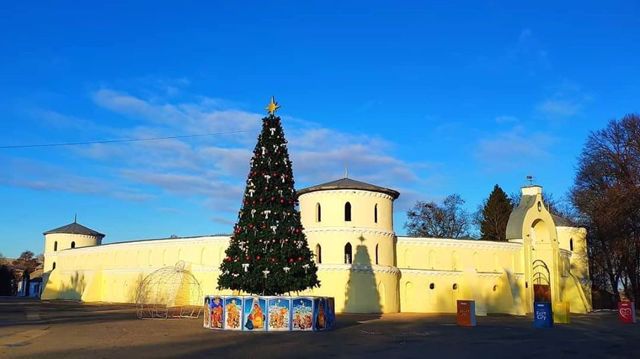
Unique in terms of architecture, the manor house "Round Yard" was built in Trostianets in 1749 by Yosyp Nadarzhynskyi with brothers - sons of the royal clergyman Timofiy Nadarzhynskyi.
The building is made in the form of an oval fortress or castle. Initially, it was planned as a defense to protect against the Tatars. The "Round Yard" is surrounded by a hollow brick wall reinforced with buttresses, with one-story rooms inside the yard and four round three-tiered towers.
In the middle of the 19th century, the estate passed into the possession of Prince Oleksiy Holitsyn, who adapted the fortress "Round Yard" for a summer theater or circus. In the open area of the courtyard, three-tiered boxes for spectators were built, similar to ancient Roman amphitheatres. Artists lived in the towers. In the center was an arena where circus performances and performances by the troupe of the Holitsyn Fortress Theater took place.
During the years of Ukraine's independence, the "Round Yard" was restored, various cultural events are held. Adjacent to it is a park with the Holitsyn Palace (XIX century), an arboretum, lakes and wooden sculptures.
RUSSIAN-UKRAINIAN WAR
During the full-scale Russian invasion of Ukraine in 2022, during the battles for Trostianets, Russian troops caused significant damage to the "Round Yard" building.
Myru Street, 16
Add to favorites
Add to route

Reviews Trostianets
Geographical information about Trostianets
| {{itemKey}} | {{itemValue}} |
|---|---|
| Region |
Sumy |
Surrounding cities and villages
Practical tips to visit Trostianets
No data available at this time
Functional temporarily unavailable
Follow us
 1.svg "Twitter")
 1.svg "Facebook")
 1.svg "Instagram")